

You are welcome to republish this story through the Creative Commons license CC BY-NC-SA 4.0. Where republishing conditions differ for images, this is noted in individual captions. (See this page for more information.)
By Tero Mustonen
Tero is a Finnish environmental leader, scholar, scientist, and fisherman.
Since its inclusion in the Convention on Biological Diversity (§8(j)), Traditional Knowledge has increasingly developed influence in its own right. This influence is evident in key arenas of governance, such as Arctic Council projects, international research platforms (for example, IPBES), and international codes of conduct like the Akwé:Kon and Tkarihwaié:ri guidelines, which regulate research involving Traditional Knowledge. The Ottawa Traditional Knowledge Principles, for instance, articulate Indigenous-led guidelines for engaging respectfully with Traditional Knowledge. They define this body of knowledge as:
a systematic way of thinking and knowing that is elaborated and applied to phenomena across biological, physical, cultural and linguistic systems. Traditional Knowledge is owned by the holders of that knowledge, often collectively, and is uniquely expressed and transmitted through indigenous languages. It is a body of knowledge generated through cultural practices, lived experiences including extensive and multigenerational observations, lessons and skills. It has been developed and verified over millennia and is still developing in a living process, including knowledge acquired today and in the future, and it is passed on from generation to generation.
Based on this perspective, I will explore the question of Atlantic Salmon governance and Traditional Knowledge in Finland in the Skolt Sámi home region, which is located in the Näätämö/Neiden river catchment area. The river remains one of the most relevant salmon spawning systems in the Fennoscandian North, and for Finland, it is the second most productive with the exception of Deatnu/Teno.
Governance of salmon in the Näätämö river rests internationally with the Finnish-Norwegian River Commission and the associated international fisheries agreements and Commissions. Most of the headwater systems with their spawning areas are located in Finland. Domestically, the Ministry of Agriculture and Forestry has the mandate to govern issues and resources related to the salmon. Regionally, this is diverted to the provincial EVK Center and the Metsähallitus state forest enterprise, who “owns” most of the lands in the basin. Metsähallitus regulates the fishing, hunting, research, and other activities within the basin. The municipality of Inari, local businesses, and other stakeholders have roles too. On the Norwegian side of the Näätämö basin, the Kvens (a Norwegian minority) and a tourist fishery play a role in the river.
The Näätämö area has been designated as an official Wilderness Area in the IUCN Finnish demarcations. It is also affected by the Skolt Sámi Act of Finland, which guarantees the Skolt Sámi—among the Sámi groups in Finland (Inari Sámi, North Sámi, and Skolt Sámi)—a specific legal framework for land-use privileges and access to fishing, herding, and hunting resources. The Act is not a land ownership document. The Act is not a land ownership document.
Between 2006 and 2011, the Eastern Sámi communities in Finland and in Russia, together with the Sámi Council, embarked on a historic first: a large-scale documentation of traditional land uses and occupancies from the eastern shores of the Kola Peninsula to Lake Inari. This work was released in 2011 as the Eastern Sámi Atlas.
At the start of the work on Näätämö, a substantial body of Indigenous knowledge from the Skolt Sámi teams generated Traditional Knowledge observations of the basin, including weather and starlore events. These were then compared with findings from the science team to identify sites and drivers of change, their causes, and their implications for salmon in the context of climate change. The project received international attention between 2014 and 2016 after the Skolt Sámi, equipped with digital cameras, became the first to report the arrival of southern beetle species in the basin. These observations were then published in peer-reviewed science journals, leading to the establishment of visual-optic communal histories as a method to detect early warning signs of change in the basin within the sub-Arctic.
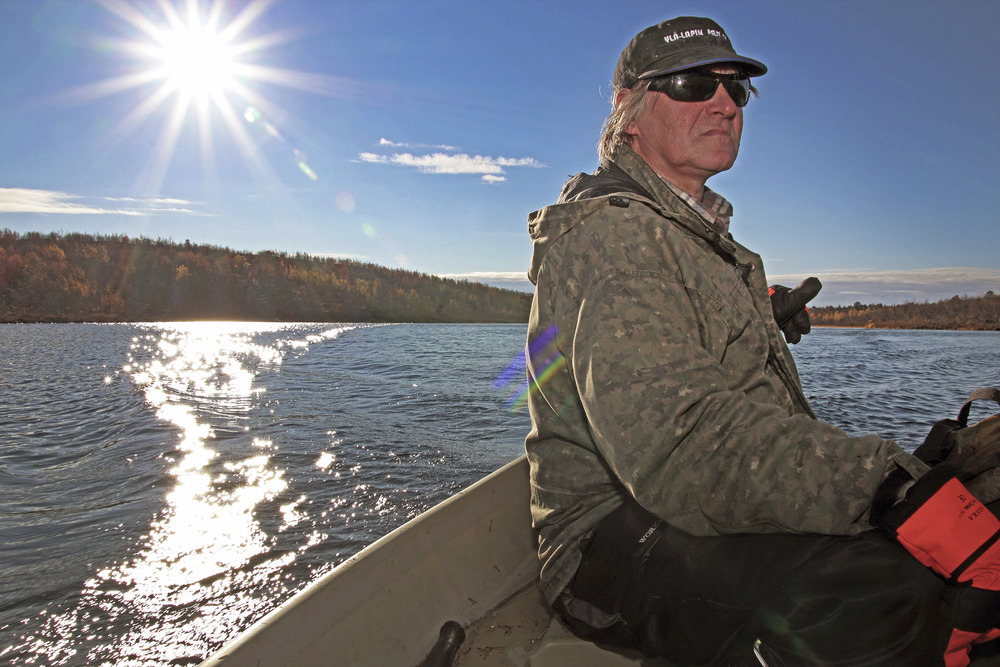
It was in response to these needs and concerns that the Näätämö River Co-Management Project, led and designed by the Skolts, emerged in 2011. Climate change does not wait for the political apparatus to reform. The impacts and the need for new solutions were urgent for the Skolts.
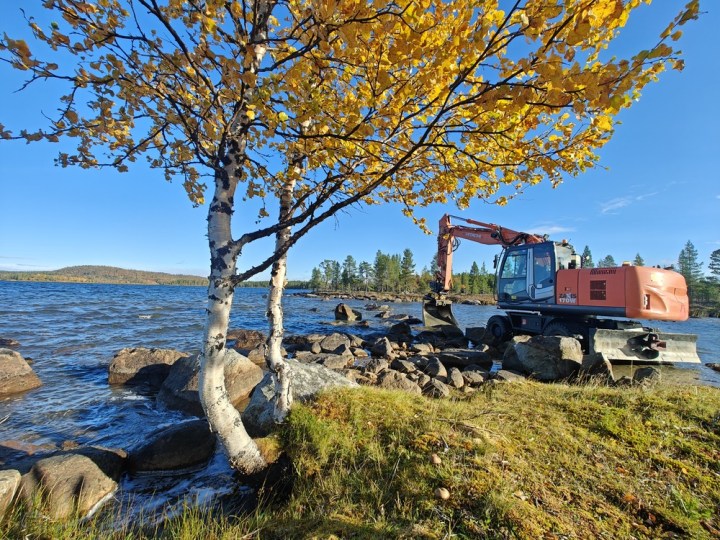
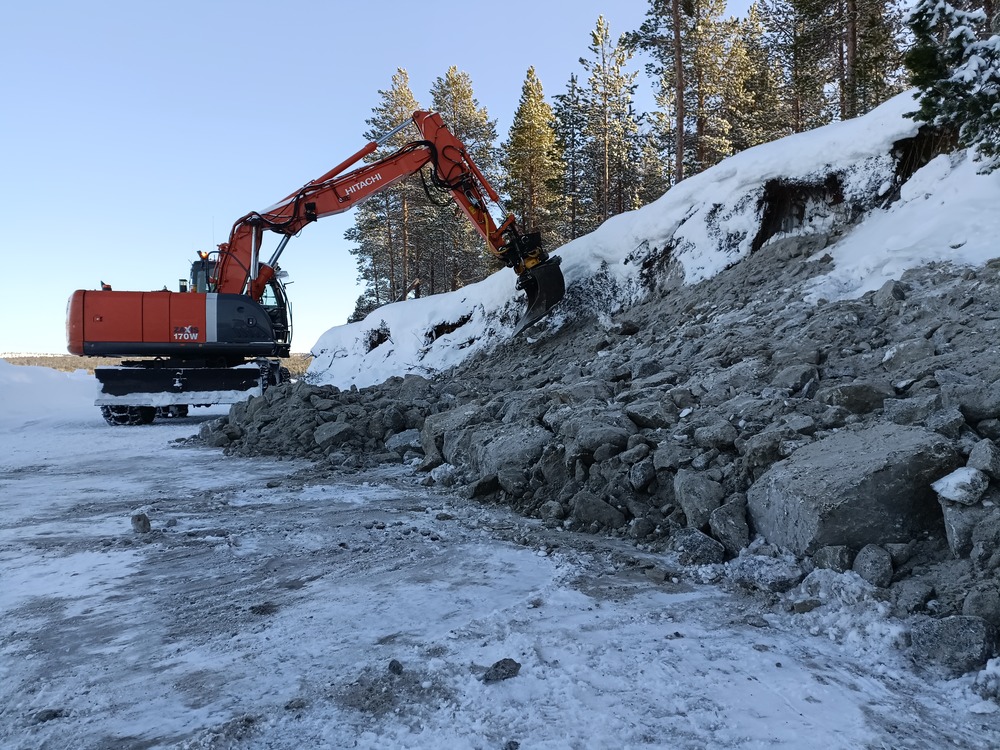
The most significant concrete steps include ecological restoration of habitats, first implemented in the Vainosjoki River and the Kirakkakoski sub-catchment areas. These actions have restored grayling and trout habitats that had been destroyed by Metsähallitus between the years 1968 and 1972. Similarly, the harvest of the northern pike in the ponds and parts of the main course of the Näätämö river are steps the Sámi can implement alongside the researchers to increase smolt and juvenile salmon survival. Between 2015 and 2024, this co-management enabled the full restoration of erosion-impacted shores of Lake Sevettijärvi in the basin. These actions represent the largest Indigenous-led restoration efforts in the European Arctic and are part of the Landscape Rewilding Programme of Snowchange.
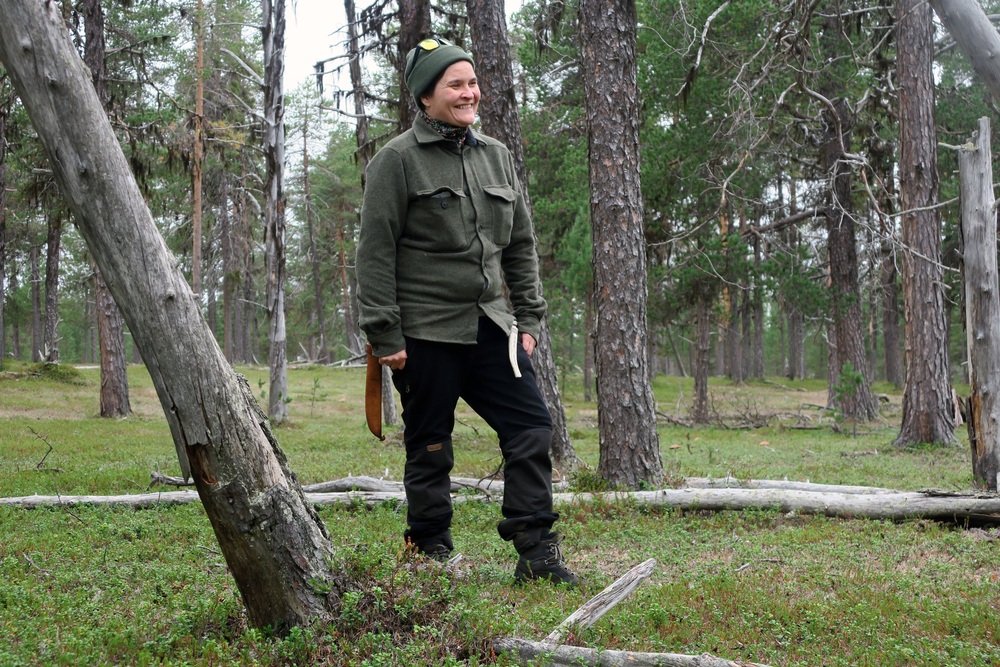
These actions are tangible and among the first of their kind in this context. Although they will not resolve the broader challenges quickly, they are significant at multiple scales, from habitat restoration and improved salmon migration to the renewal of Sámi ways of life.
 Rewilding Successes