Reviving Portugal’s vultures [Southern Europe]

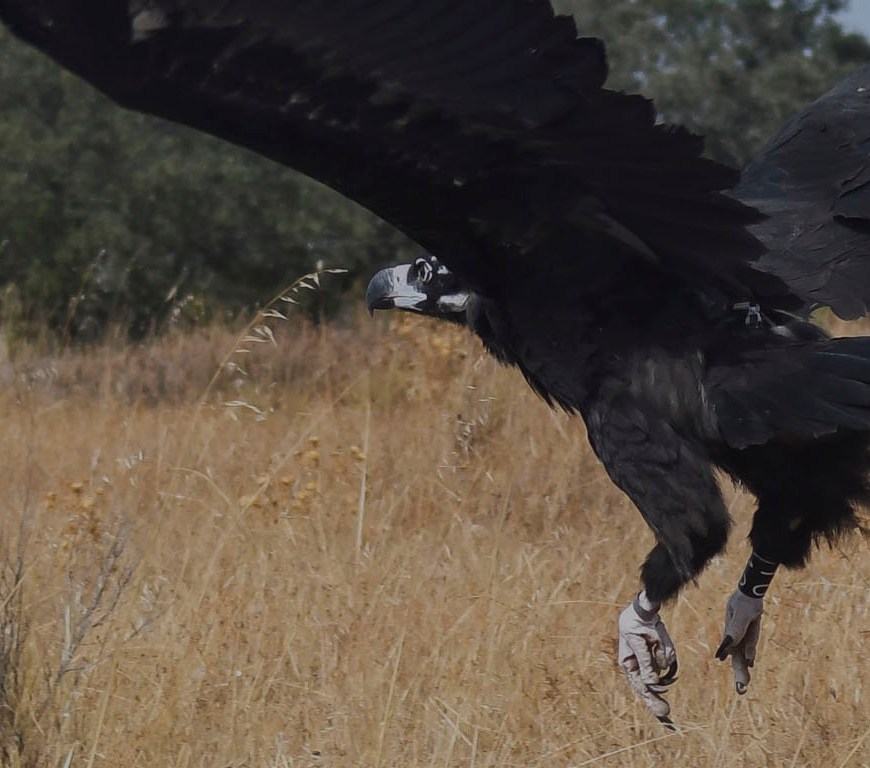
Milene Matos writes: “The mighty cinereous vulture (Aegypius monachus) is a true giant of the skies. It is the largest Old World vulture and one of the heaviest birds of prey in the world, with a wingspan of almost three metres. Unfortunately, the species has suffered a dramatic decline across Europe—but there is hope. Thanks to the recovery of the Spanish population, this impressive vulture is making a…” Continue reading Reviving Portugal’s vultures [Southern Europe]

Rewilding a temperate rainforest [Northern Europe]

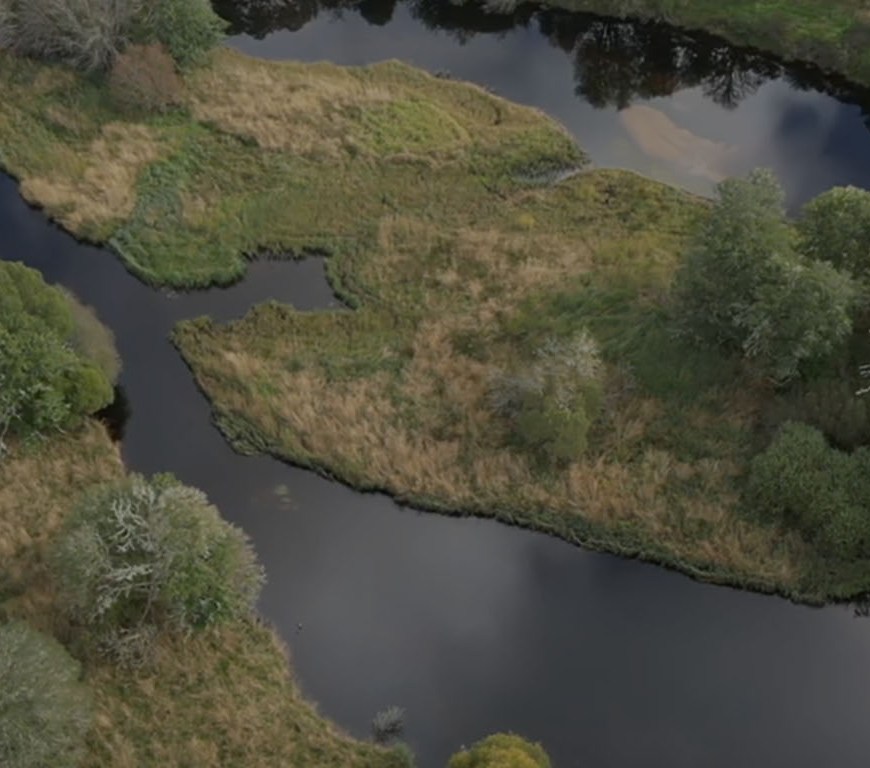
Isabella Clarke writes: “‘We have nine different species of bat here,’ says Merlin Hanbury-Tenison as we walk through the wooded valley on his family farm in Cornwall. ‘Including rare greater horseshoe bats.’ The woodland is temperate rainforest, a globally rare habitat (just 1% of land cover). In the UK, as much as 20% of the land may have been temperate rainforest; only 1% of that total remains…” Continue reading Rewilding a temperate rainforest [Northern Europe]

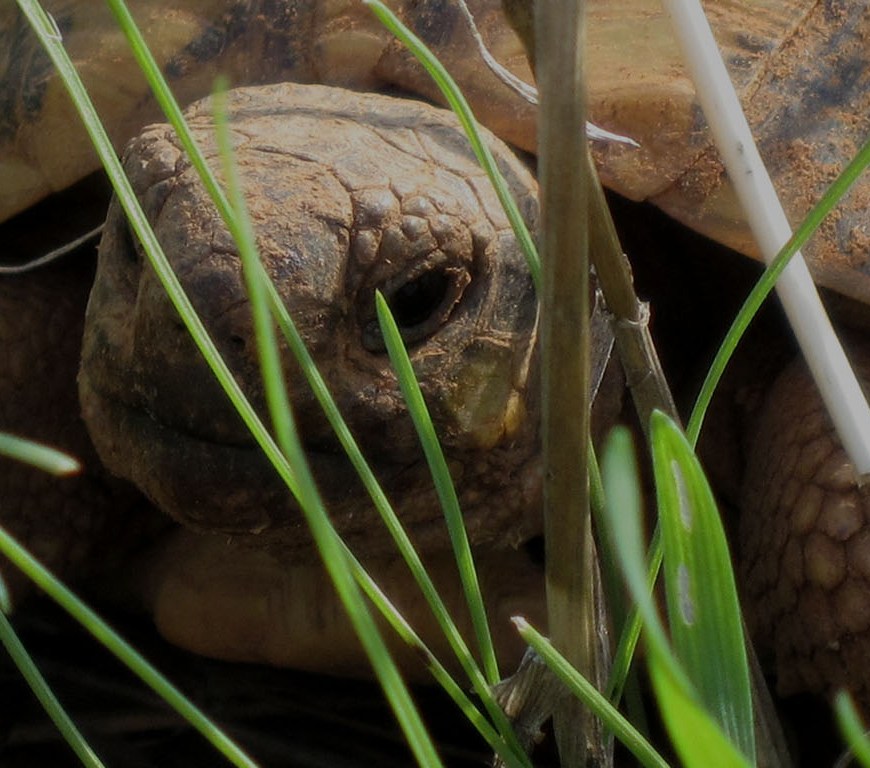
Helping Catalonia’s only tortoise [Southern Europe]
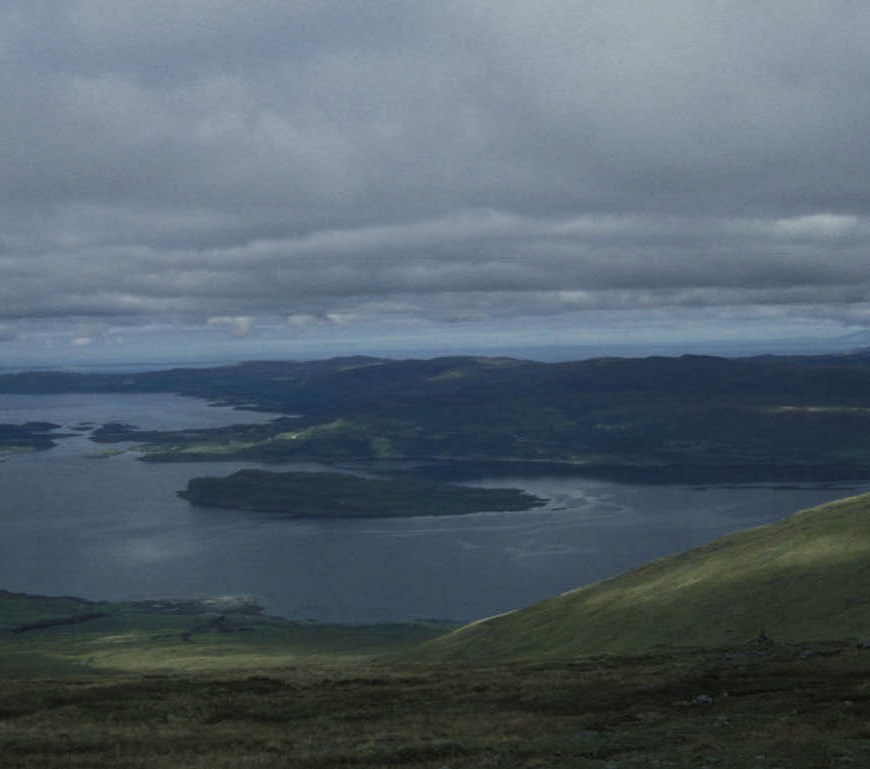
Joe Gray writes: “Northern Spain is home to a number of species of animal whose presence might, to the uninformed, come as something of a surprise. Here, across the upper band of the Iberian Peninsula, grey wolves still roam in numbers, while brown bears are beginning to rebound. And, in the far north-east, within the autonomous community of Catalonia, a European tortoise is being bolstered…” Continue reading Helping Catalonia’s only tortoise [Southern Europe]
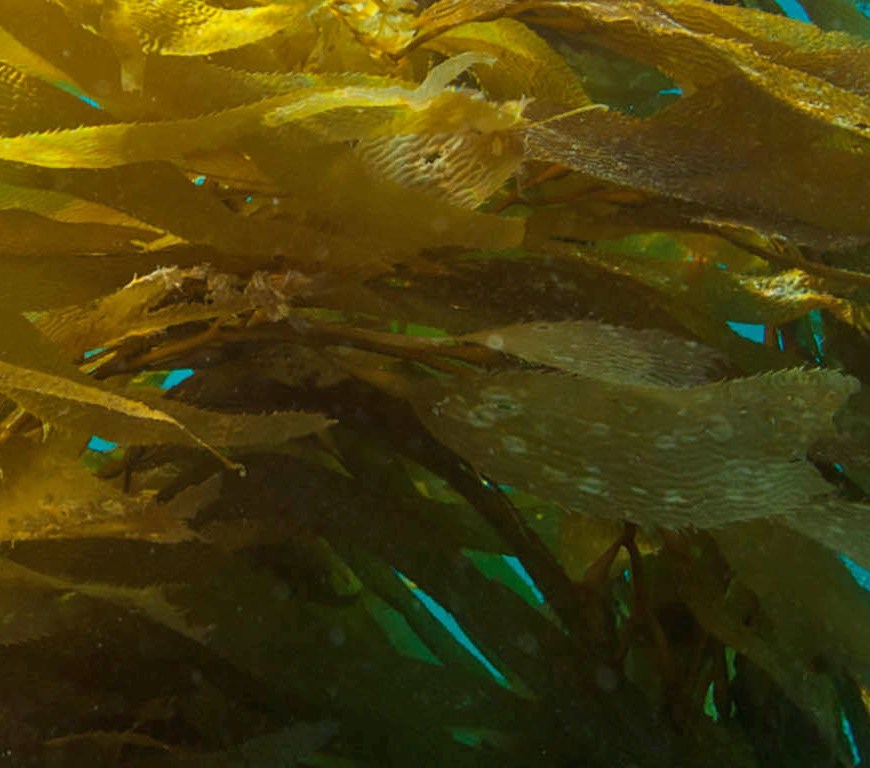
Glimmers of hope for kelp recovery [Northern Europe]
Nikki Oliver writes: “In Sussex, along a stretch of England’s south coast, just a few hundred metres from the busy coastal city of Brighton, a story of hope is emerging. Historic kelp forests, lost for decades, are slowly beginning to flourish once more, demonstrating the ocean’s ability to recover when it’s protected from destructive fishing activity such as trawling. Kelp, flat-bladed large brown seaweeds, often…” Continue reading Glimmers of hope for kelp recovery [Northern Europe]
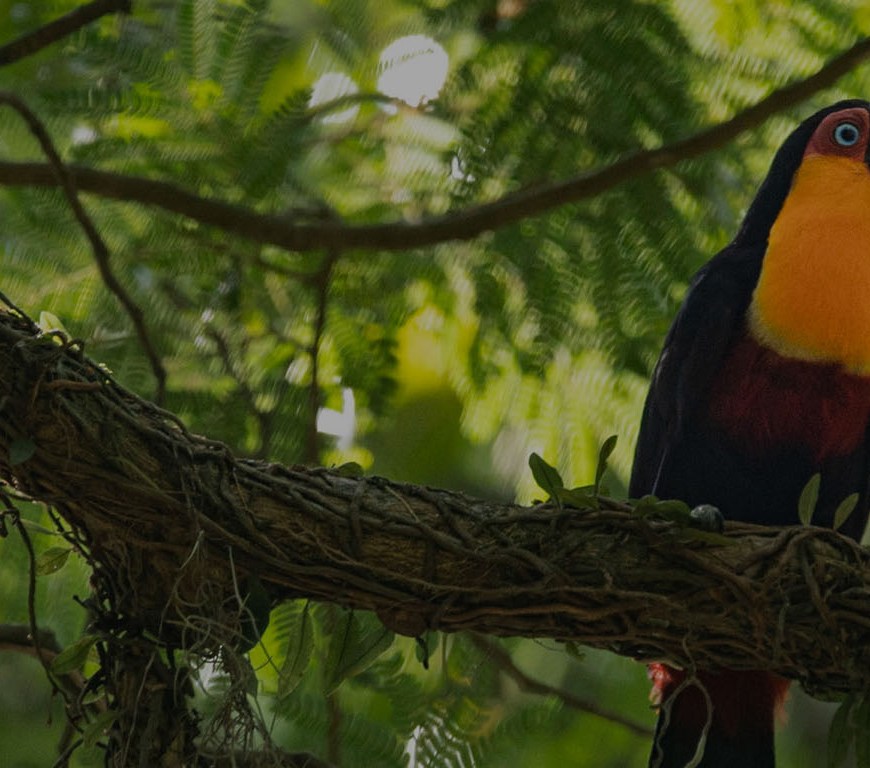
Rewilding Rio: The story of Tijuca NP [South America]

Lara Norberto Renzeti writes: “At the heart of Rio de Janeiro, one of the most iconic cities in the world, lies a 3958-hectare expanse of imposing, green-covered hills. The Tijuca Forest has witnessed a history of devastation followed by a slow, though unsteady, process of restoration. By the 19th century, what was once a fragment of the Atlantic Forest had become a patchwork of areas dedicated to timber…” Continue reading Rewilding Rio: The story of Tijuca NP [South America]

Reintroducing a lost grasshopper [Northern Europe]
Joe Nash writes: “The Hop of Hope project from Citizen Zoo ties into wider efforts to restore ecosystems, habitats, and biodiversity in the East of England. As well as bringing about a successful reintroduction of the large marsh grasshopper (Stethophyma grossum), a Hop of Hope is a demonstration of citizen science in action. Fostering a diverse community of grasshopper-rearing…” Continue reading Reintroducing a lost grasshopper [Northern Europe]
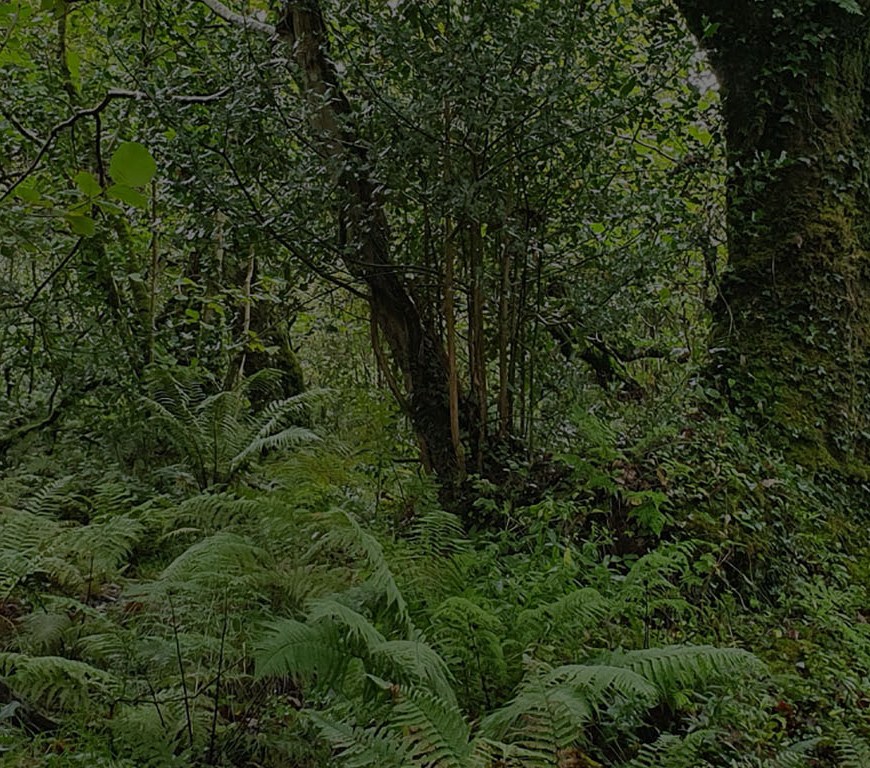
Woodland regeneration in Scotland [Northern Europe]

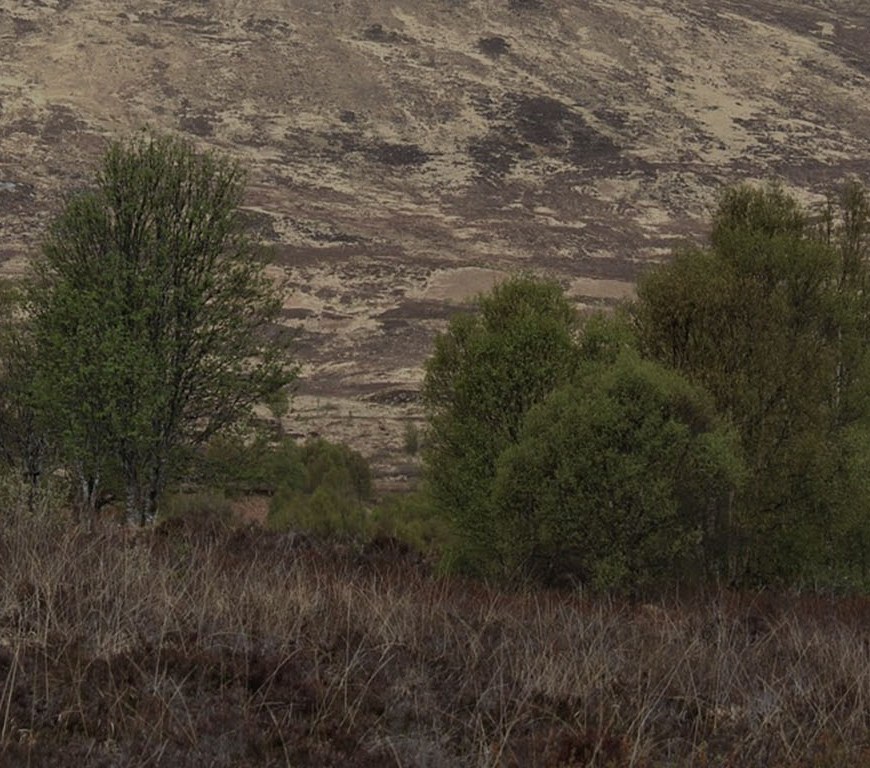
Rory Richardson writes: “NatureScot’s Creag Meagaidh National Nature Reserve (NNR) is a spectacular upland site covering nearly 4000 hectares and straddling the east and west Highlands of Scotland. A mosaic of habitats stretches from the shores of Loch Laggan to the high summit plateau. Ecological restoration has changed the landscape of Creag Meagaidh over the last 35 years, and the reserve…” Continue reading Woodland regeneration in Scotland [Northern Europe]
Boosting red squirrels’ chances [Northern Europe]
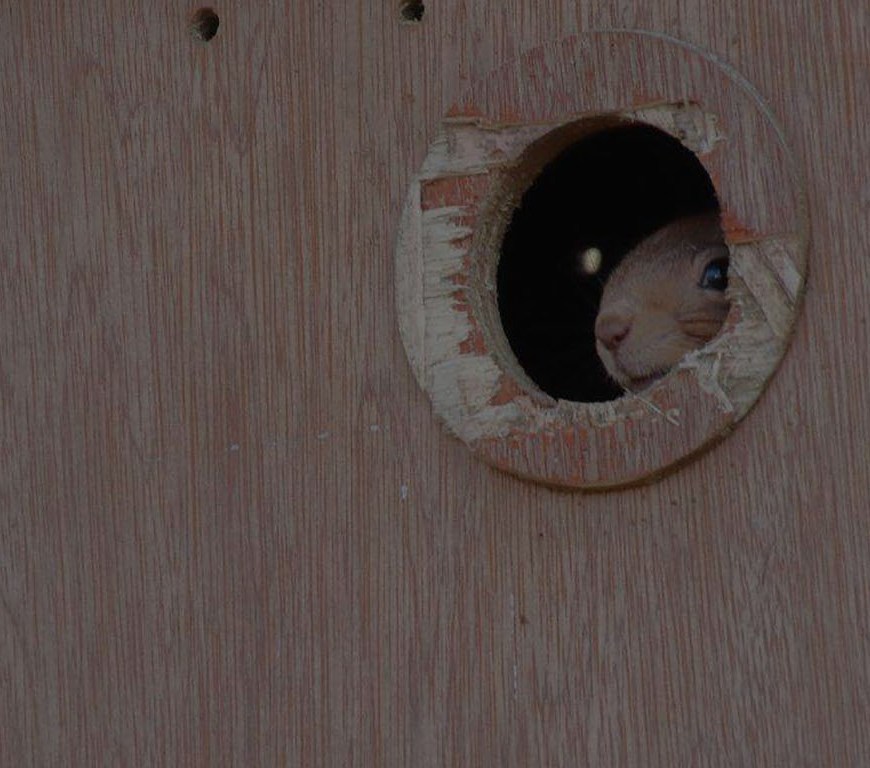
Richard Bunting writes: “On the remote Drimnin Estate, overlooking the Sound of Mull on Scotland’s west coast, a new population of red squirrels is settling into their new home. Earlier this year, six squirrels were released there by rewilding charity Trees for Life, with the enthusiastic backing of the landowners. The release is the latest step in a pioneering project which is offering hope for the long-term…” Continue reading Boosting red squirrels’ chances [Northern Europe]
Dung beetles on a coastal reserve [Western Europe]

Cyril Forchelet writes: “Created in 1976 on the edge of the town of Lacanau, in Gironde, France, the Étang de Cousseau nature reserve covers 900 hectares. The reserve, which is managed by the environmental body SEPANSO Aquitaine, is located 50 km west of Bordeaux and 3 kilometers from the Atlantic Ocean. It leans against the eastern side of the coastal dune belt. The reserve is made up of…” Continue reading Dung beetles on a coastal reserve [Western Europe]

Hobart’s grassy woodland restoration [Australia]

Erica Nathan writes: “Hobart, Tasmania, is a small city recessed into nearby river and mountain. At its urban edge is the Domain—some two hundred hectares that, in colonial times, served as grazing paddock for Government House. Walking from the centre of the city, or from the harbour’s edge, it takes ten minutes to reach the Domain’s southern boundary, a further thirty minutes to get to the summit, and…” Continue reading Hobart’s grassy woodland restoration [Australia]

Dam removal for climate and nature [Eastern Canada] – part two

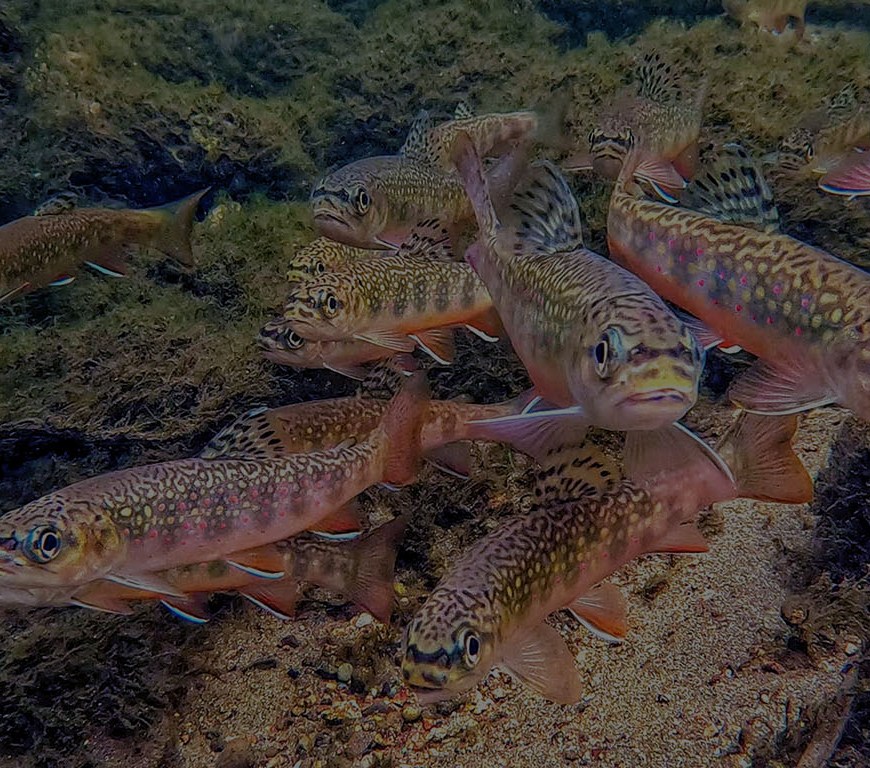
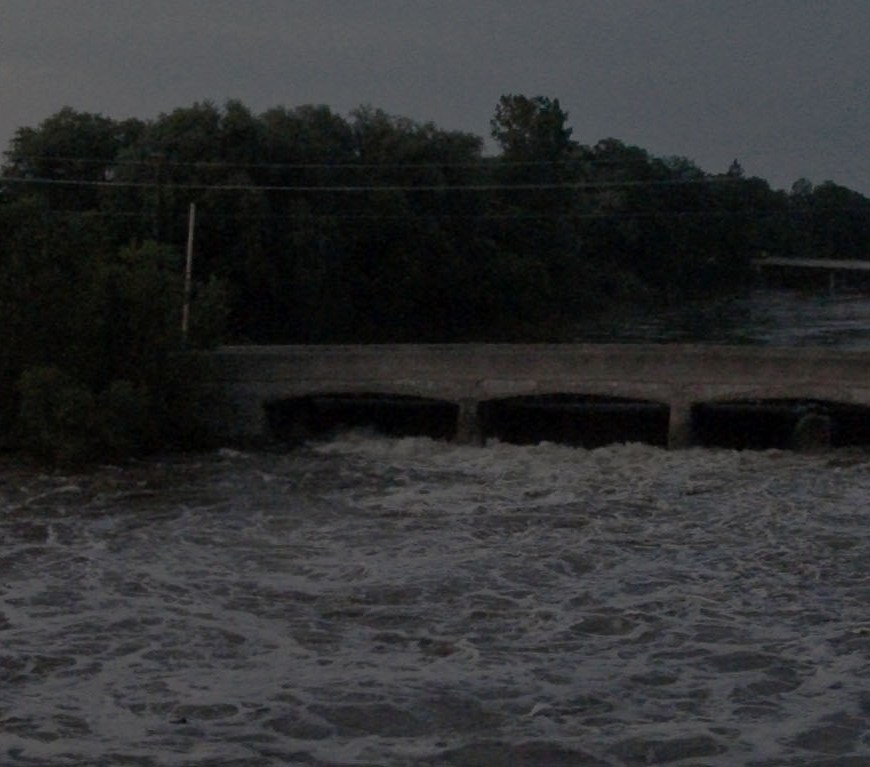
Linda Heron writes: “Most of the dam removal projects with which the Ontario Rivers Alliance has been involved have aimed to increase resilience to climate change by improving water quality, reducing stream temperature, and increasing brook trout habitat. To date, the Ontario Rivers Alliance has worked with…” Continue reading Dam removal for climate and nature [Eastern Canada] – part two

Dam removal for climate and nature [Eastern Canada] – part one

Linda Heron writes: “Ontario is littered with hundreds of old and decaying concrete, log, and earthen millpond dams, hydropower dams, control dams and diversion dams that have blocked stream flow and filled with sediment over the last 100 years or more. There is a myriad of reasons for removing dams from freshwater streams…” Continue reading Dam removal for climate and nature [Eastern Canada] – part one

Saving wildcats in the Cairngorms [Northern Europe]

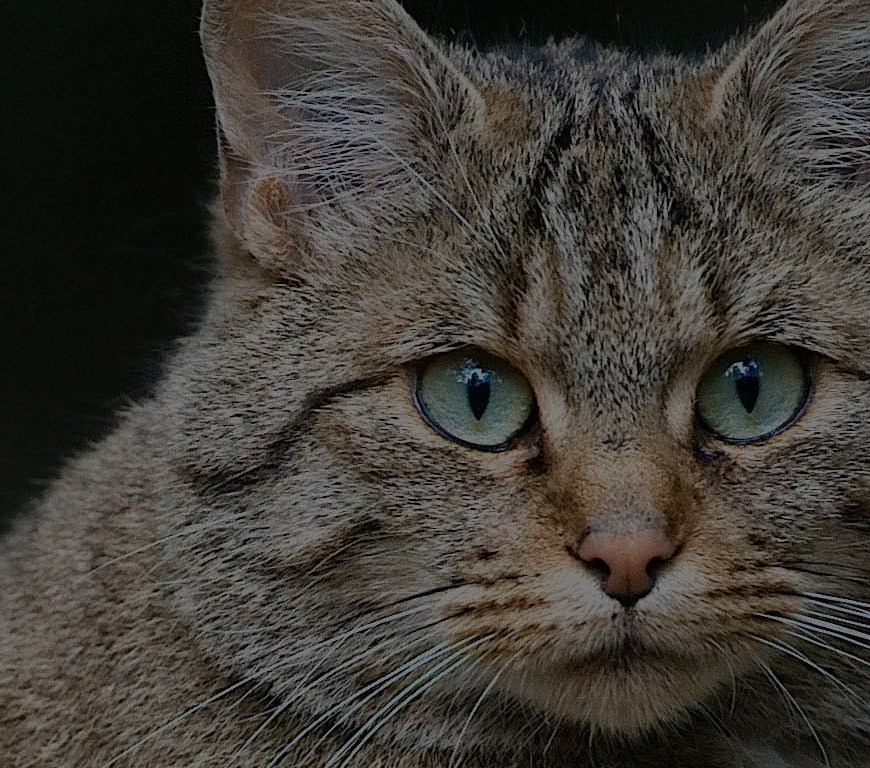
Claudia Bell writes: “Within the Cairngorms National Park in the Scottish Highlands, 19 European wildcats have recently been released through a conservation project known as Saving Wildcats. This is part of efforts to bring the species back from the brink of extinction in Scotland. In 2019, the International Union for Conservation of Nature concluded that the wildcat population in Scotland was ‘non-viable’…” Continue reading Saving wildcats in the Cairngorms [Northern Europe]

Torrey pines: Mistakes and progress [Western USA]

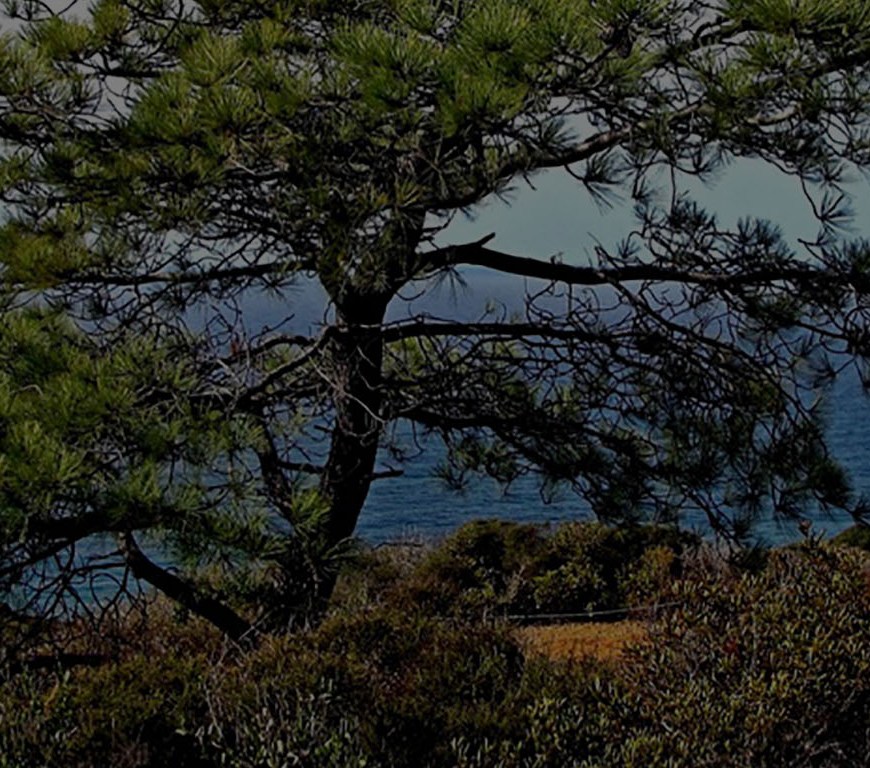
Wayne Tyson writes: “I’ll begin with a case of Torrey pine (Pinus torreyana) restoration by the City of San Diego that started over half a century ago. As a new park construction inspector for the city, I was assigned an already-designed project for native plant revegetation, which consisted of the “hydroseeding” of the cut slope and fills along a highway known as Torrey Pines Road (hydroseeding involves…” Continue reading Torrey pines: Mistakes and progress [Western USA]

Rewilding ourselves: A project of hope [Midwest USA]

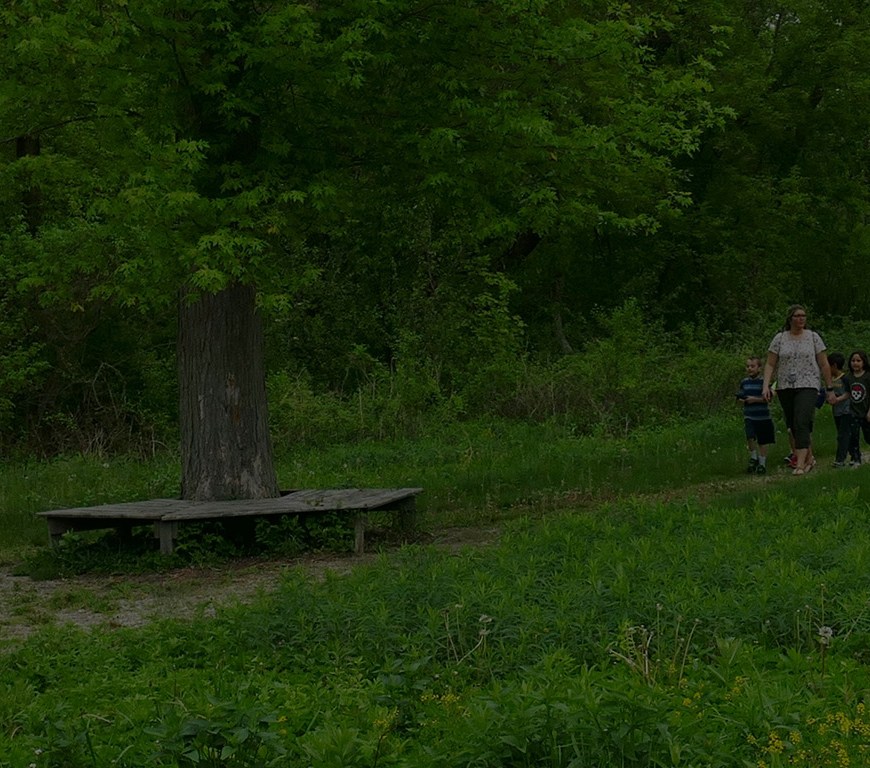
Laurie Lawlor writes: “The eight-acre lot in the small, rural town of Eagle, Wisconsin, appeared anything but promising. Over the years, the dumping ground of rusty cans, bottles, and old tires had become so choked with buckthorn and other invasive plants that nobody knew what was inside the municipally owned property between the local elementary school and the public library. Students traveling on foot…” Continue reading Rewilding ourselves: A project of hope [Midwest USA]

The hyena returns [Southern Africa]

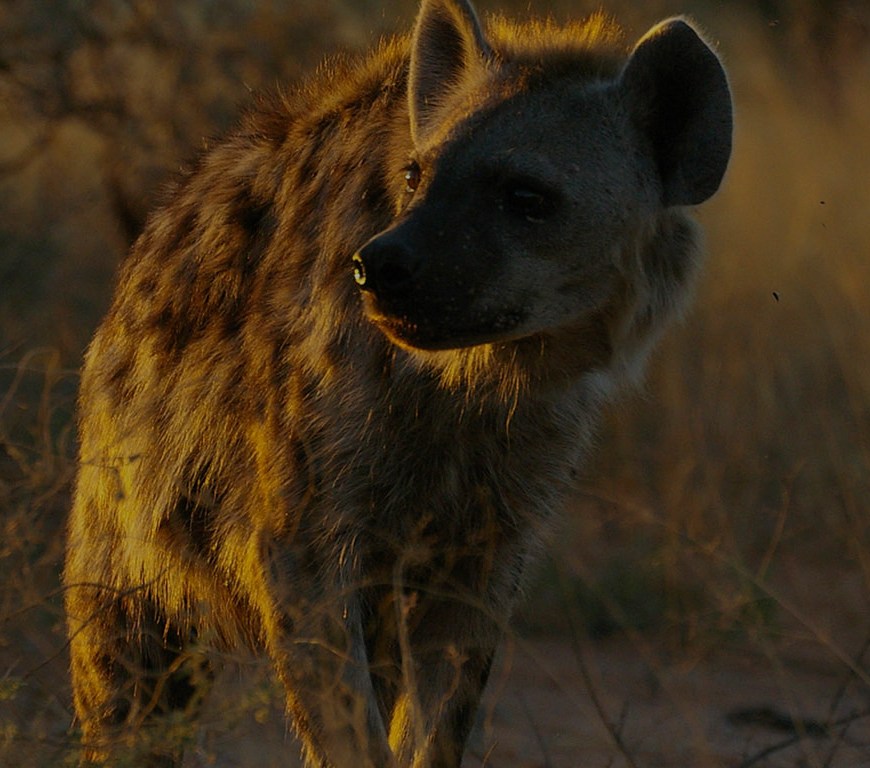
Peace Parks Foundation staff write: “Something remarkable is happening in Mozambique, a country on the east coast of sub-Saharan Africa. In 2018, the National Administration for Conservation Areas, which directs the management of national parks and reserves, signed a fifteen-year agreement with Peace Parks Foundation to restore, develop, and manage Maputo National Park, in the…” Continue reading The hyena returns [Southern Africa]

Rewilding itself: the Union Canal [Northeast USA]

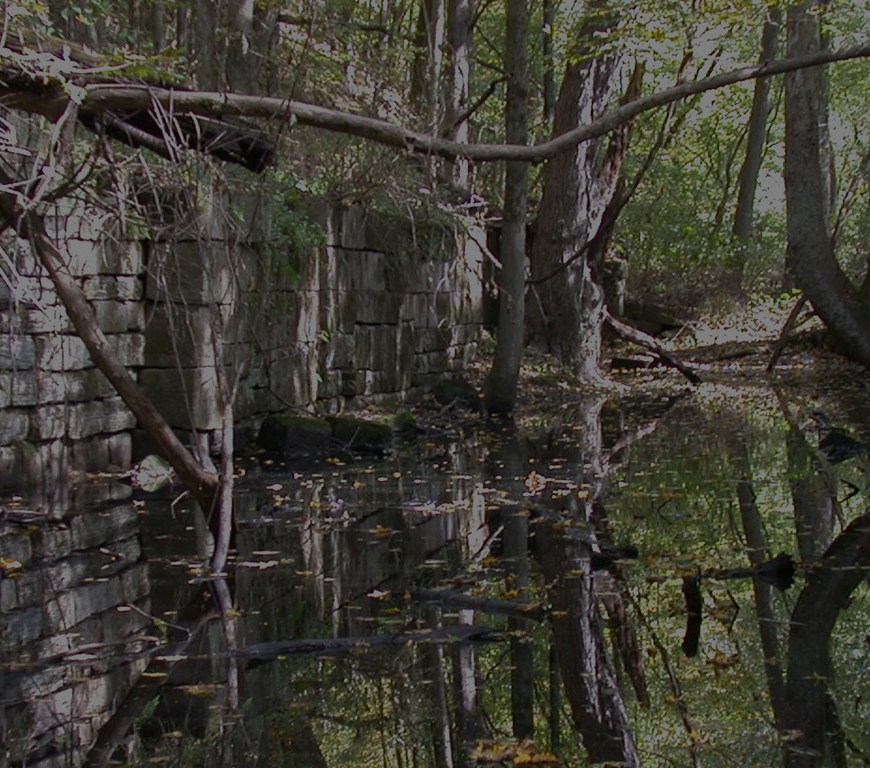
Sally Zaino writes: “Connecting the Susquehanna River to the Schuylkill River with a canal was William Penn’s idea, before 1700—but construction was not begun for another hundred years. The canal was to be known as the “Golden Link”. However, construction suffered many stops and starts, while engineers struggled to create a canal that, from west to east, would rise 92 feet and fall 311 feet, that was prone…” Continue reading Rewilding itself: the Union Canal [Northeast USA]

Life’s revival in a natural harbor [Northeast USA]

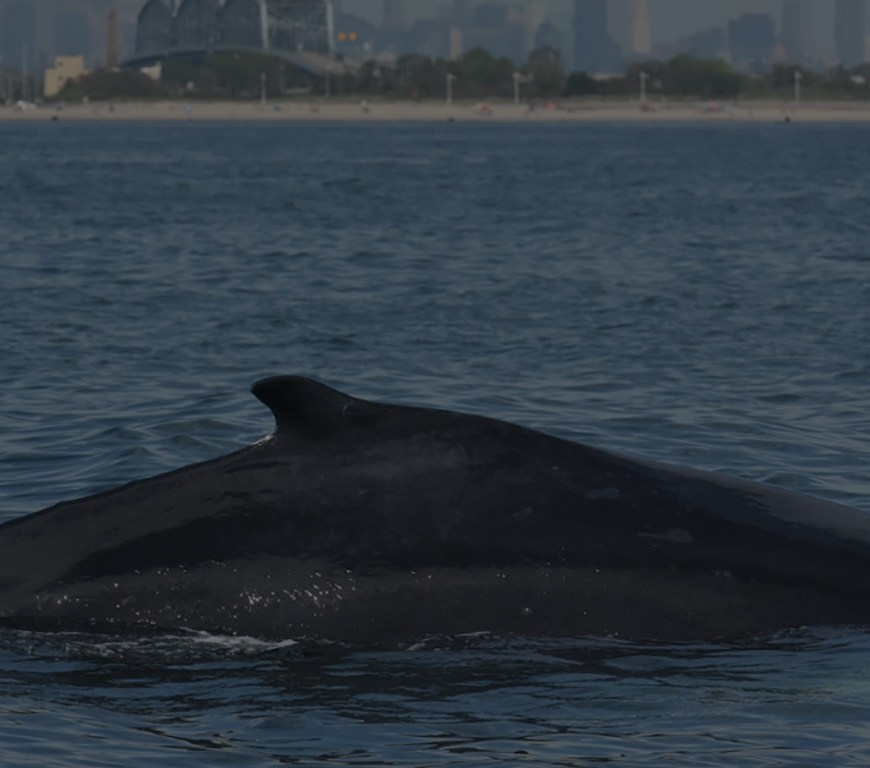
Judith S Weis writes: “During much of the previous century, the New York–New Jersey (NY–NJ) Harbor Estuary was severely degraded due to the effects of heavy industry, including the unregulated discharge of raw sewage and all kinds of industrial pollutants into the water, as well as the filling-in of marshes for development (e.g., three major area airports were built in this way). Major…” Continue reading Life’s revival in a natural harbor [Northeast USA]

Rewilding the piney woods [Southern USA]

Tony Hiss writes: “Some years ago, E. O. Wilson, the great conservation biologist, took me on a rewilding field trip to meet M. C. Davis, a friend of his who was growing a forest in the Florida Panhandle. Davis, a multimillionaire commodities trader, grew up there in a trailer and raised his first stake playing poker. Like Wilson, Davis was tireless and an elaborately courteous southern charmer (Wilson…” Continue reading Rewilding the piney woods [Southern USA]

An eagle’s return to Scottish skies [Northern Europe]

Joe Gray writes: “There are patterns in life that recur at different scales. Take the shape of a stretch of rocky coastline, like that found in western Scotland. The kayaker bobbing along a short section of this sees rugged corners and sweeping curves that are repeated—on a larger scale—for a viewer up in the sky. For our aerial spectator in this comparison, let us choose an eagle—that bird of famed acuity. Actually, let us…” Continue reading An eagle’s return to Scottish skies [Northern Europe]

Underpass for elephants on Mount Kenya [East Africa]

Bruce Byers writes: “We need to move toward a spatial pattern in which human activities are scattered in a sea of natural ecosystems, rather than the reverse—natural ecosystems embedded in a human-dominated landscape, as now in most places. Ecological connectivity between wild ecosystems needs to increase to maintain biodiversity in the face of, and for resilience to, climate change, and…” Continue reading Underpass for elephants on Mount Kenya [East Africa]

Rewilding in an unlikely landscape [Northeast USA]

Jon Leibowitz writes: “What if someone told you a rewilding story that took place on a grand scale—the size of entire countries? As the story goes, a primeval forest disappears practically overnight (geologically speaking) leaving a landscape reminiscent of modern-day Scotland. Entire forests are brought down, first for lumber and charcoal and then pasture and farms. Carnivores like wolves…” Continue reading Rewilding in an unlikely landscape [Northeast USA]

Return of a European native [Western Europe]

Johannes Fritz writes: “Northern Bald Ibises are whimsical birds, with their tuft of iridescent lancet feathers, their bare head with individual black patterns, and their long-curved bill. They are one of the best known and most popular birds in Europe. The species is kept in many zoos throughout Europe, where it is loved by zoo visitors due to the exotic appearance and extraordinary behaviour. But with some luck…” Continue reading Return of a European native [Western Europe]

Rewilding hope for a big cat [East Asia]

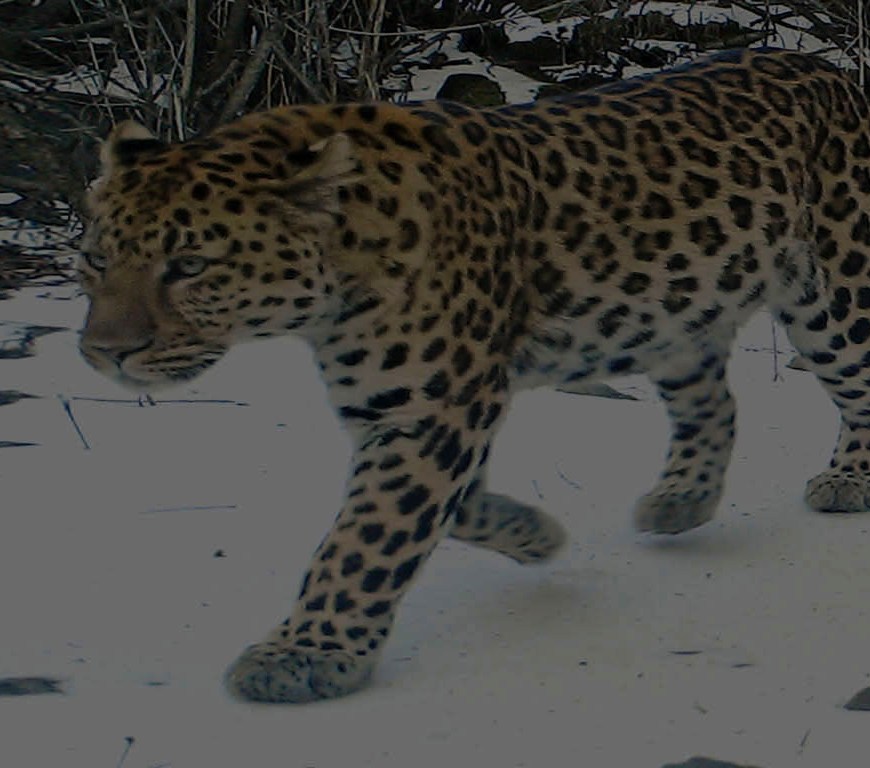
Huang Qiaowen writes: “I am a young Chinese woman named Kerry. Like many of us, I have found a 2013 photo of a mountain lion walking under the Hollywood sign to be captivating. When I look at it, it’s like seeing an iconic legend of modern society. In China’s capital, Beijing, we are working hard to create the same kind of legend. Since 2017, our organisation, the Chinese Felid Conservation Alliance…” Continue reading Rewilding hope for a big cat [East Asia]

Rewilding the southern Great Plains [Western USA]

Jay Tutchton and Nicole Rosmarino write: “Nearly 25 years ago, the Southern Plains Land Trust (SPLT) sprouted, based on a simple idea: let’s buy as much land as we can, just for the wild ones. SPLT’s vision is to bring back the diversity and abundance of wildlife of the American Serengeti by rewilding the shortgrass prairie of the southern Great Plains. What does “rewilding” mean to us? Let’s start with…”
Continue reading Rewilding the southern Great Plains [Western USA]

Returning life in the Oder delta [Northern Europe]

Pernilla Hansson writes: “In the northernmost region of Germany and Poland, the Oder river forms part of the border between the countries, culminating in the large Oder delta. The delta consists of a mosaic of environments such as heaths, wetlands, forests, grasslands, and lagoons, most notably the large Stettin lagoon. Both Germany and Poland have recognised that protecting the delta is a…” Continue reading Returning life in the Oder delta [Northern Europe]

Mission Blues [Western USA]

Bruce Byers writes: “A breeze was just starting up as we parked along Quarry Road in Brisbane, California, on the eastern slope of San Bruno Mountain. I tagged along with a local butterfly conservation scientist and a two-person team from the Golden Gate National Recreation Area. Mission of the day: to capture and translocate some endangered Mission Blue butterflies from this area to Sweeney Ridge…” Continue reading Mission Blues [Western USA]

Restoring an Irish Atlantic rainforest [Northern Europe]

Eoghan Daltun writes: “In May 2009 I sold my small house in Dublin and moved with my family to Beara, one of the peninsulas that extend, finger-like, from southwest Ireland into the Atlantic Ocean. There we bought a 73-acre farm that had long been left unused agriculturally for around a century, allowing wild habitats, especially native temperate rainforest, to develop naturally over most of the land…” Continue reading Restoring an Irish Atlantic rainforest [Northern Europe]

The Elwha story [Western USA]

Jerry Freilich writes: “Removing the two dams on the Elwha River in Olympic National Park (Washington) was like turning around a giant ocean liner at sea. Although science and economics clearly showed that the dams needed to be removed, it still took 25 years of hard work and tenacity before public and political opinion was turned around making the seemingly impossible – possible…” Continue reading The Elwha story [Western USA]

The Mali Elephant Project: Tellem’s story [West Africa]

Tellem writes: “Many people believe that I am of the Dogon people of Western Africa, but in fact, I am Tellem. At least according to the colonists. Years ago, when they first came to our lands they asked us who we were. We told them, “We are from here,” which in their ears made the sound “te-lem.” And that is how we got our name, The People from Here. As one of the people from here, I am especially…” Continue reading The Mali Elephant Project: Tellem’s story [West Africa]

Beginnings: Nick and Margaret’s Place [Southern USA]

Tom Horton writes: “If I were the Choptank River, it’s on Nick and Margaret Carter’s place I’d want to be born, to meander some 70 miles toward Chesapeake Bay, swelling from a sweetwater trickle old Nick can hop across, to my salty mouth, five miles wide down by Tilghman Island. From the Carters’, above the reach of tides and salt, the river seeps cold and clear and steady from beneath the mossy roots…” Continue reading Beginnings: Nick and Margaret’s Place [Southern USA]

Conservation of white-bellied herons [South Asia]

Indra Acharja writes: “A new phase in the conservation and recovery of white-bellied heron (WBH), Ardea insignis, has begun in Bhutan with the establishment of the first pair of ex-situ breeding birds. In April 2021, researchers at the Royal Society for Protection of Nature (RSPN) collected a pair of pre-fledged juveniles from a wild nest and transferred them to the newly constructed Conservation Center in south…” Continue reading Conservation of white-bellied herons [South Asia]