

You are welcome to republish this story through the Creative Commons license CC BY-NC-SA 4.0. Where republishing conditions differ for images, this is noted in individual captions. (See this page for more information.)
By Milene Matos
Milene is the Project Manager for the LIFE Aegypius Return Project.
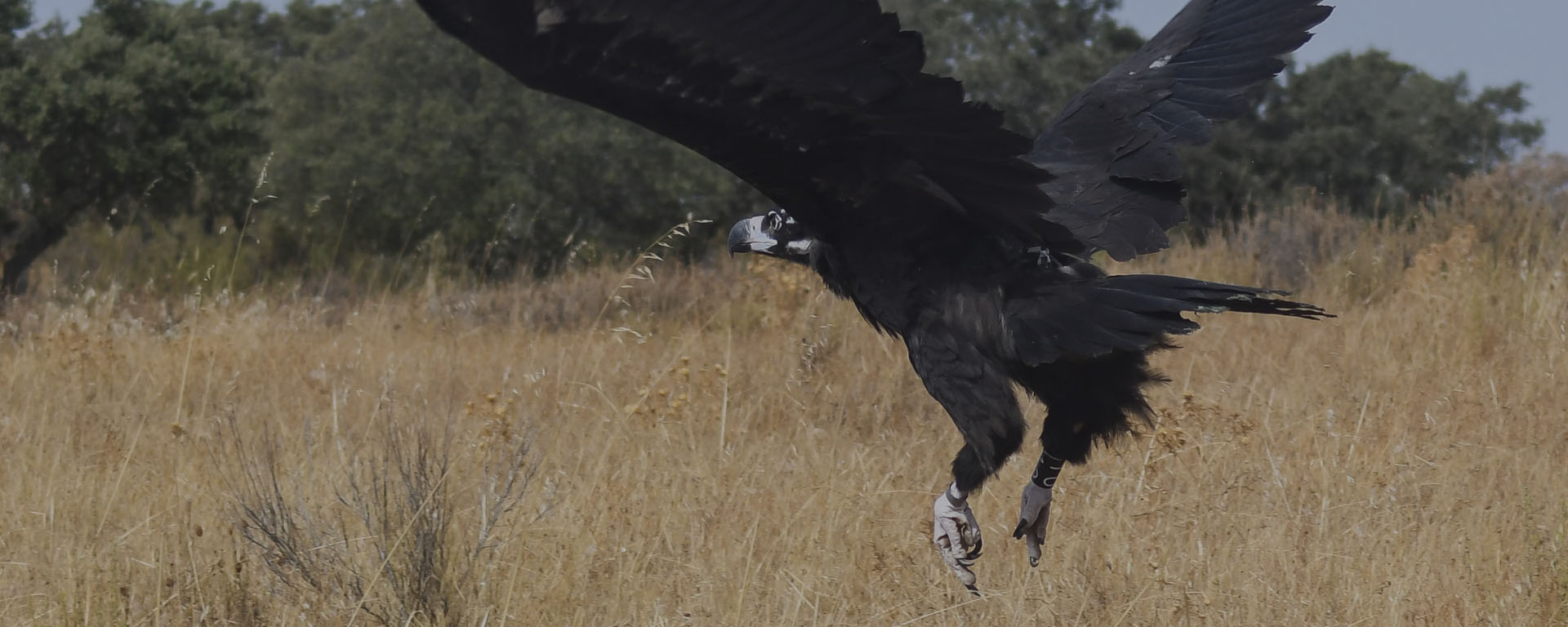
The mighty cinereous vulture (Aegypius monachus) is a true giant of the skies. It is the largest Old World vulture and one of the heaviest birds of prey in the world, with a wingspan of almost three metres. Unfortunately, the species has suffered a dramatic decline across Europe—but there is hope. Thanks to the recovery of the Spanish population, this impressive vulture is making a comeback in several regions, from Portugal and France to Bulgaria, raising hopes for its survival and long-term recovery.
In the Iberian Peninsula, the cinereous vulture was once common. It became increasingly scarce over the 20th century, mostly owing to habitat loss, wildlife poisoning and direct persecution. By the 1970s, the breeding population had gone extinct in Portugal, and only around 200 pairs remained in Spain. Following the introduction of legal protection and targeted conservation measures, the species began to recover in Spain, which today hosts the largest European population with over 3000 breeding pairs. From there, the species naturally recolonised Portugal, with the first breeding pairs detected in 2010 in Tejo Internacional Nature Park. Since then, more pairs have settled across different regions, and four breeding colonies were known until recently.

The recovery has been steady but slow, and the population remains fragmented and too small to be viable on its own. This urgency led to the creation of the LIFE Aegypius Return project (2022–27), which aims to increase breeding success, strengthen connectivity among colonies, and secure the conditions for the species’ definitive return.
Concrete conservation actions include reducing disturbance around nests, implementing fire prevention and habitat management, installing and repairing nesting platforms, improving food availability, and reinforcing populations through soft release strategies. The project also promotes collaboration with key stakeholders—including hunters, farmers, authorities and conservation NGOs—to address threats such as illegal poisoning, the single greatest danger vultures face worldwide.
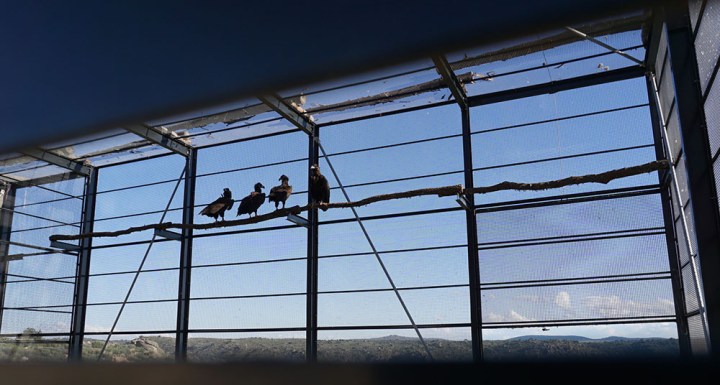
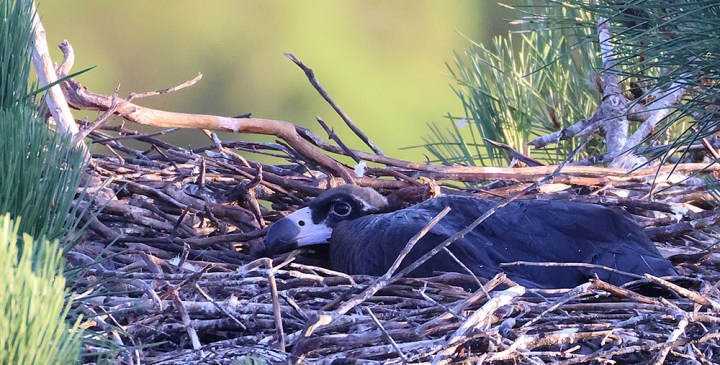
The first results are encouraging. In 2022, around 40 breeding pairs were estimated in Portugal. By 2024, the project had recorded between 108 and 116 pairs, producing at least 48 fledglings. Breeding success has increased slightly, and a fifth breeding colony was discovered—further evidence of the species’ expansion.
Still, caution is needed. It only takes one stochastic event—such as a storm, heatwave or fire—to set back progress. This was the case with the wildfires that devastated Douro Internacional Nature Park in August 2025. Portugal’s smallest and most fragile colony, with only eight breeding pairs, was badly affected: at least one chick died, two nests were completely destroyed and six others were damaged to varying degrees.
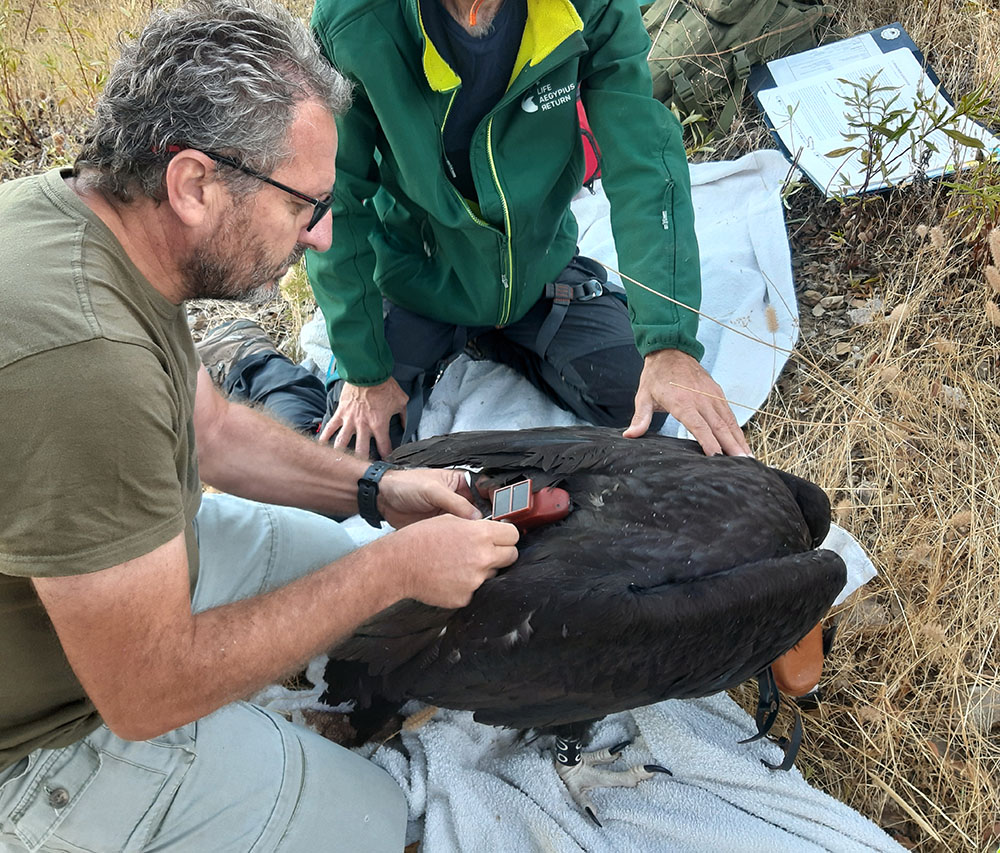
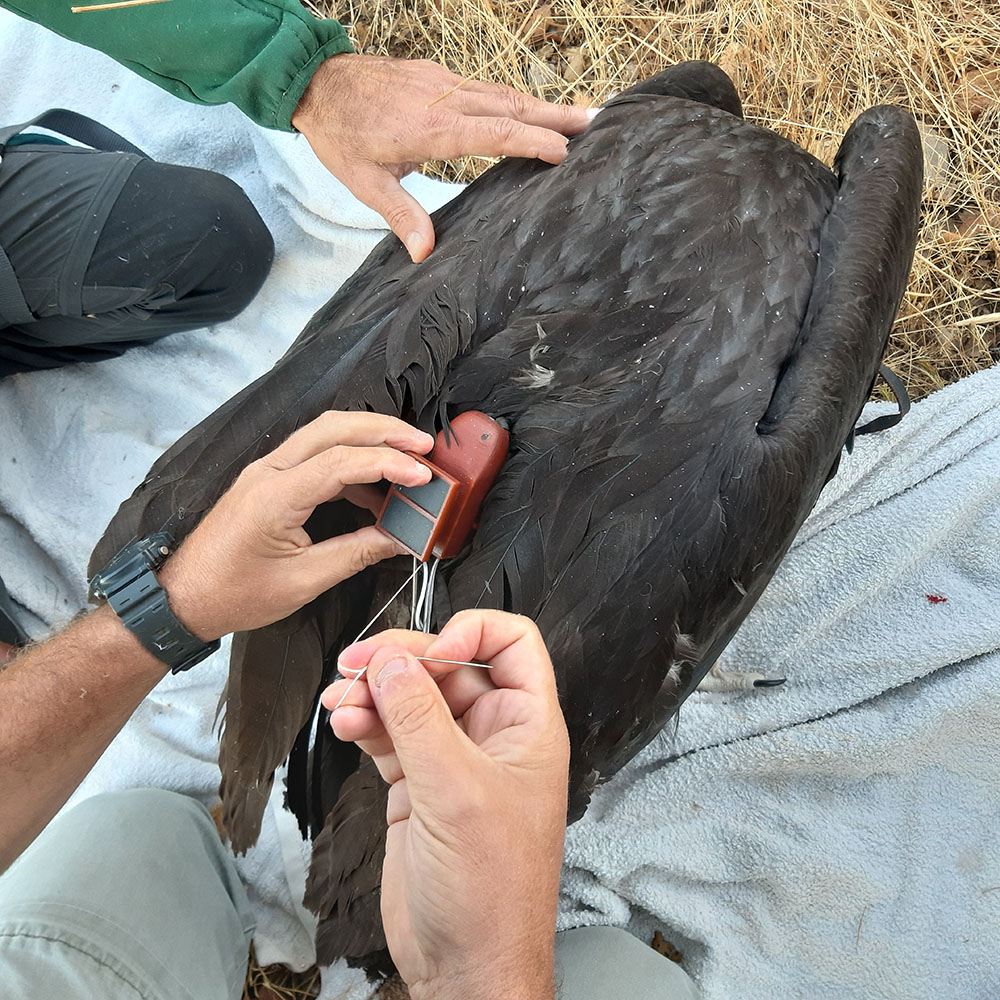
Technology has become a powerful ally. Since 2023, 50 cinereous vultures have been tagged with transmitters. Sadly, ten have already died—four from natural causes, three still under investigation, and another three from human causes: poisoning, gunshot and collision with a powerline. Yet many others survived thanks to remote monitoring, which enabled rapid rescue when they were in trouble. The stories of Natator, Medronho and 5E are powerful tributes to the dedication of those working to save this species. GPS monitoring also provides critical data on movements, identifying flyways, feeding grounds and roosting areas—essential information for effective habitat management.
But LIFE Aegypius Return goes beyond ecological measures and fighting threats. It also values the ‘ecosystem services’ provided by vultures, fosters positive public perception and invests in environmental education, targeting key sectors of society.
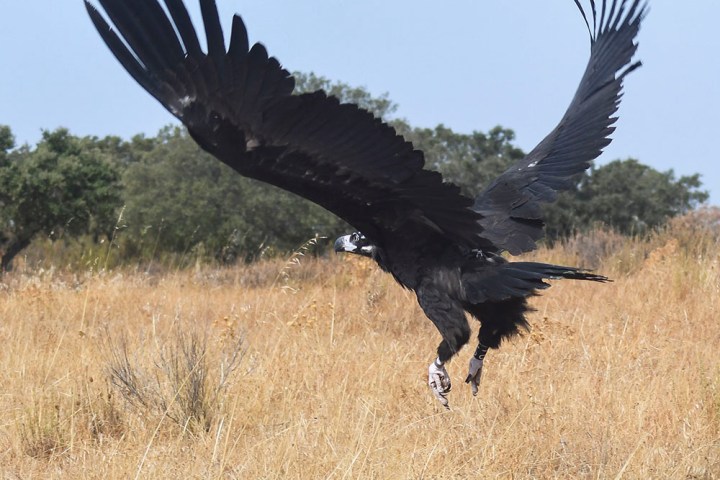
The return of the cinereous vulture to Portugal is the result of cross-sectoral cooperation and the unwavering dedication of people and institutions who never gave up on nature.
 Rewilding Successes