

You are welcome to republish this interview through the Creative Commons license CC BY-NC-SA 4.0. Where republishing conditions differ for images, this is noted in individual captions. (See this page for more information.)
An interview with Sara King
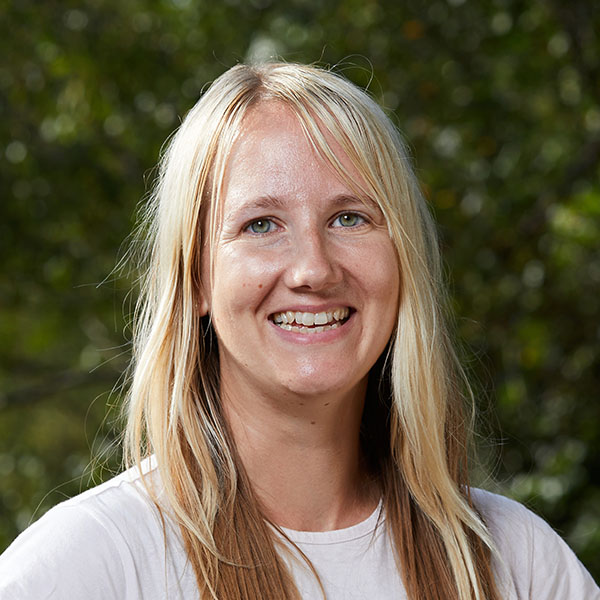
Sara manages and coordinates Rewilding Britain’s network of projects (photo by Jim Johnston).
Q: To begin, how does Rewilding Britain define innovation within the context of rewilding projects?
A: Rewilding is a new approach to nature recovery – we are putting nature in charge and so we are learning all the time. This means that innovation within the movement is in pretty much everything we do. The Rewilding Innovation Fund at Rewilding Britain supports a range of different projects, from feasibility studies and business planning, to species reintroductions and education programmes. All of these projects are helping rewilding progress alongside building our evidence and knowledge base of how rewilding changes landscapes, seascapes, and communities.
Q: What criteria do Rewilding Britain use to assess a project’s innovative potential, and how do these criteria reflect the group’s core rewilding principles?
A: The Rewilding Innovation Fund criteria is based on our five principles of rewilding, and we select projects we consider will have the highest impact on people and nature. We help fund projects that are working at scale, whether on land or at sea, because this gives more space to nature, creating dynamic areas for people and wildlife. We also help fund projects that are looking to connect communities with nature, through creating new businesses or education and wellbeing programmes. All of the projects we help fund are building our knowledge base for rewilding, allowing us to share learning through the wider Rewilding Network. We have a really experienced panel, and this enables us to understand where funding can help to remove a barrier or explore an important element of rewilding – with benefits to the wider rewilding community.
Q: What types of initiatives have had the most success securing funding, and do these align with the broader aims of rewilding as a global movement?
A: We help fund projects that are unlikely to get funding elsewhere – we don’t fund capital or intervention works, as generally there are existing funds for this type of project. We help fund the projects that are at the really early exploratory stage. Some projects reach the end of this stage and realise that what they want to do isn’t possible, whilst others use the funding to develop a fully formed idea enabling them to access further funding.
Q: How does the fund balance the need for innovative, high-tech solutions with approaches that maintain natural processes and low human intervention?
A: We help fund a whole range of projects, but they all meet our rewilding principles. Anyone receiving funding must be part of our Rewilding Network, and this means they have been through an assessment to check they are rewilding.
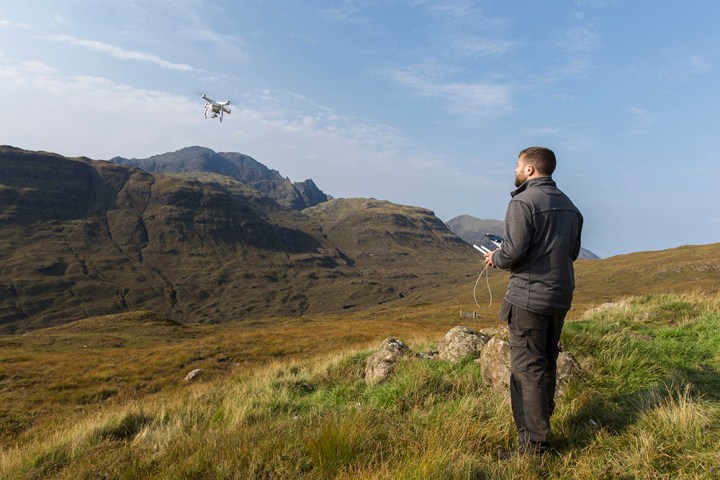
Technology projects are focused on improving the tools we use to make decisions on rewilding projects or to monitor change. For example, we have funded the use of drone and LiDAR surveys to assess vegetation change within rewilding landscapes. This can then be used to assess the amount of carbon sequestration and storage within these areas (which may open up funding from carbon markets). AI is being utilised to provide visualisations to landowners to show how rewilding could look within the landscape, encouraging them to consider an alternative approach. And we are also supporting projects to use technology to monitor change over time, improving our understanding of how rewilding supports nature recovery.
Q: How do projects that have received funding address potential fragmentation issues in ecosystems, and what innovative solutions have been proposed to ensure connectivity?
A: We aim to help fund projects working at scale as this provides enough space for natural processes to thrive. We have also given funding to projects that are looking to bring different land parcels together. For example, we have helped fund several local county level networks to work with communities, smallholdings, business parks, urban areas – smaller plots of land to all come together and work with each other to rewild. Connectivity is a key element to this, and online maps showing where rewilding projects exist as well as forums and festivals have all been supported by the funding.
Q: Can you provide a strong example of a project where community participation has been successfully integrated with a site or region’s rewilding objectives?
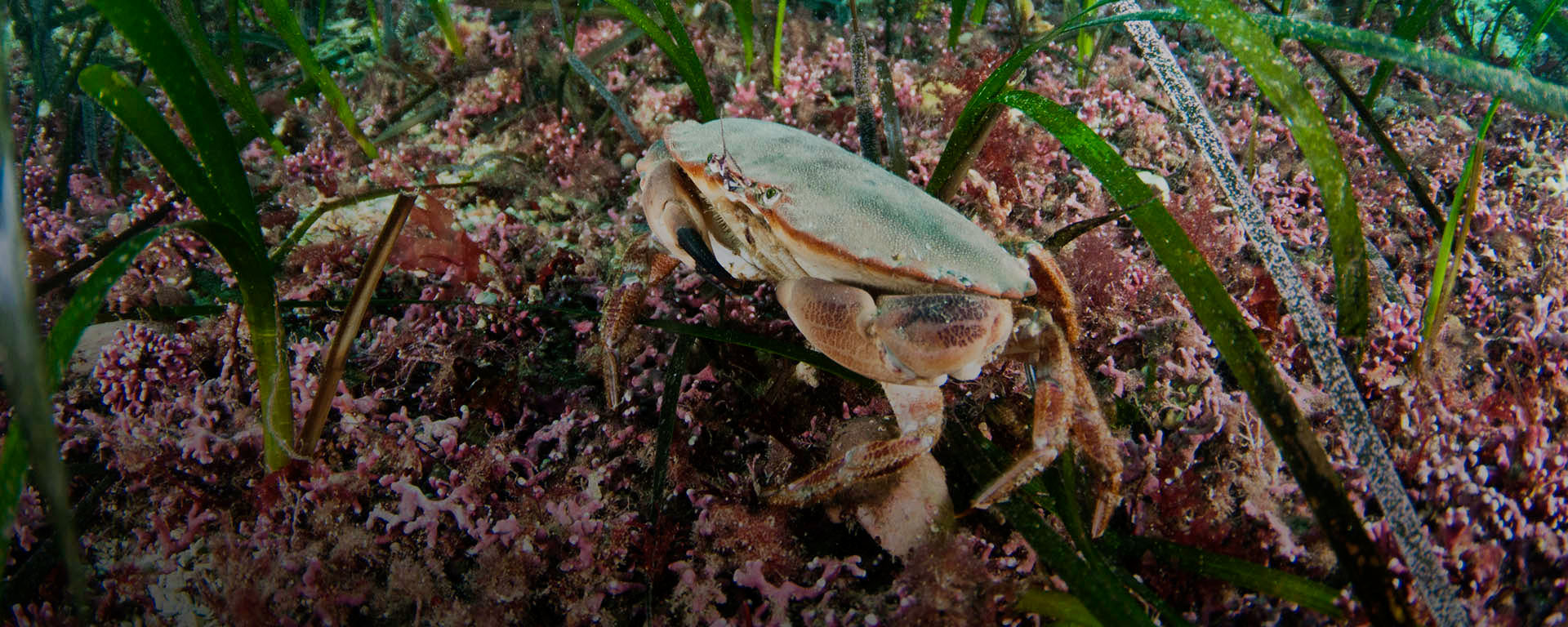
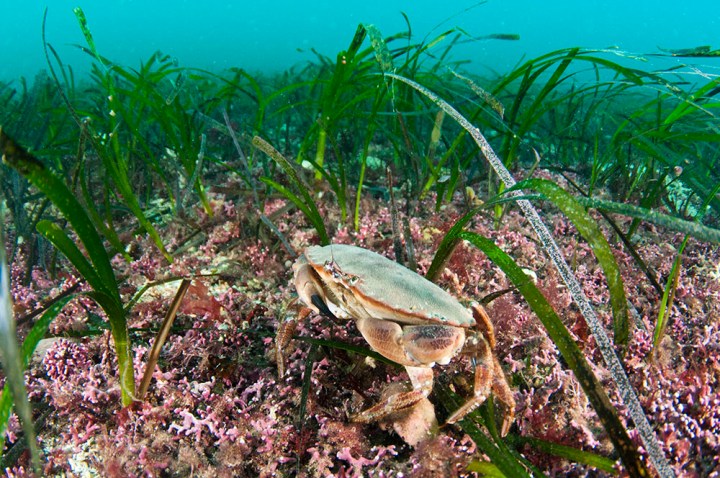
A: We have helped fund several projects that are community led – this is a key principle of rewilding. One example is the Knoydart community in Scotland. We supported a community-led feasibility study to identify potential areas for seagrass restoration in Knoydart. We also helped fund training for local surveyors to explore the area, meaning that members of the local community developed new skills on how to monitor their marine areas, and ensure that any future restoration plans were led by them.
Q: What do you see as the biggest challenge in ensuring projects lead to lasting environmental and community change?
A: Sharing learnings is a key element of the work we do. We want to ensure that lessons learnt as a result of funded projects are shared with the wider rewilding community. Rewilding is still new in Britain, and also globally, so sharing knowledge and expertise is critical. We have a growing network of practitioners which enables us to share this knowledge and expertise, and also stay in touch with the projects we have supported. Funded projects are helping us to compile practical guides and resources for others who are on their rewilding journey.
The questions were posed by Taylor Hood.
If you are involved in the advocating, funding, facilitating, or implementing of rewilding projects and are interested in being interviewed for this website, please get in touch with the Editors via the contact form.
 Rewilding Successes