

You are welcome to republish this story through the Creative Commons license CC BY-NC-SA 4.0. Where republishing conditions differ for images, this is noted in individual captions. (See this page for more information.)
By Richard Bunting
Richard is an advisor and spokesperson for Trees for Life, Rewilding Britain, and the Scottish Rewilding Alliance.
On the remote Drimnin Estate, overlooking the Sound of Mull on Scotland’s west coast, a new population of red squirrels is settling into their new home.
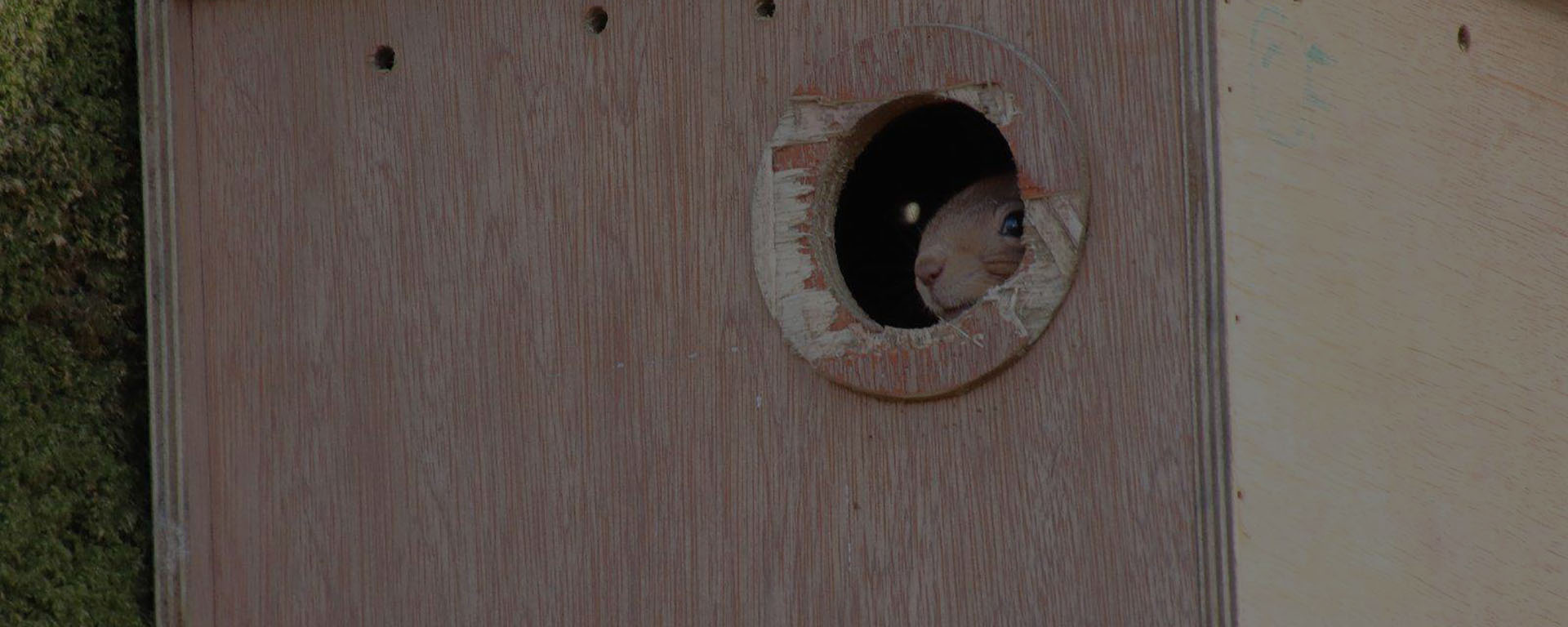
Earlier this year, six squirrels were released there by rewilding charity Trees for Life, with the enthusiastic backing of the landowners. The release is the latest step in a pioneering project which is offering hope for the long-term survival of Scotland’s red squirrels.
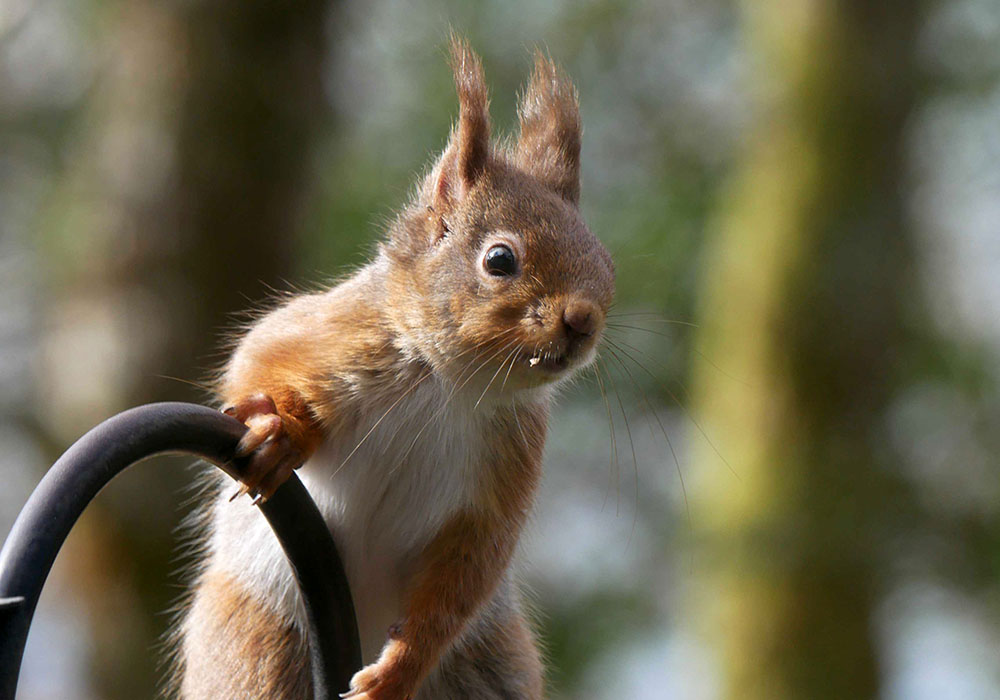
The species is now extremely rare in the UK – with a current population estimate being 138,000 individuals. Approximately 120,000 of these are in Scotland, with 3,000 in Wales and 15,000 in England. Numbers of the charismatic animal have been decimated in the UK by reduction of forests to isolated fragments, historic persecution, and lethal disease and competition from the non-native grey squirrel, which was introduced to the UK from North America in the 1870s.
Today, the Scottish Highlands are the reds’ last main UK stronghold safe from the greys. Yet even here, the reds remain missing from large areas. Although many woodlands in the region offer ideal habitat, the reds can’t reach these havens because they avoid crossing large open spaces. So, Trees for Life’s reintroduction project has been giving the squirrels a helping hand by carefully relocating small numbers from areas where numbers are healthy – mostly around Inverness, Loch Ness and the Moray coast – to suitable woods where they are missing, so that new populations can establish. The charity never takes more than two squirrels per 200 hectares, and regularly changes donor sites to ensure genetic diversity.
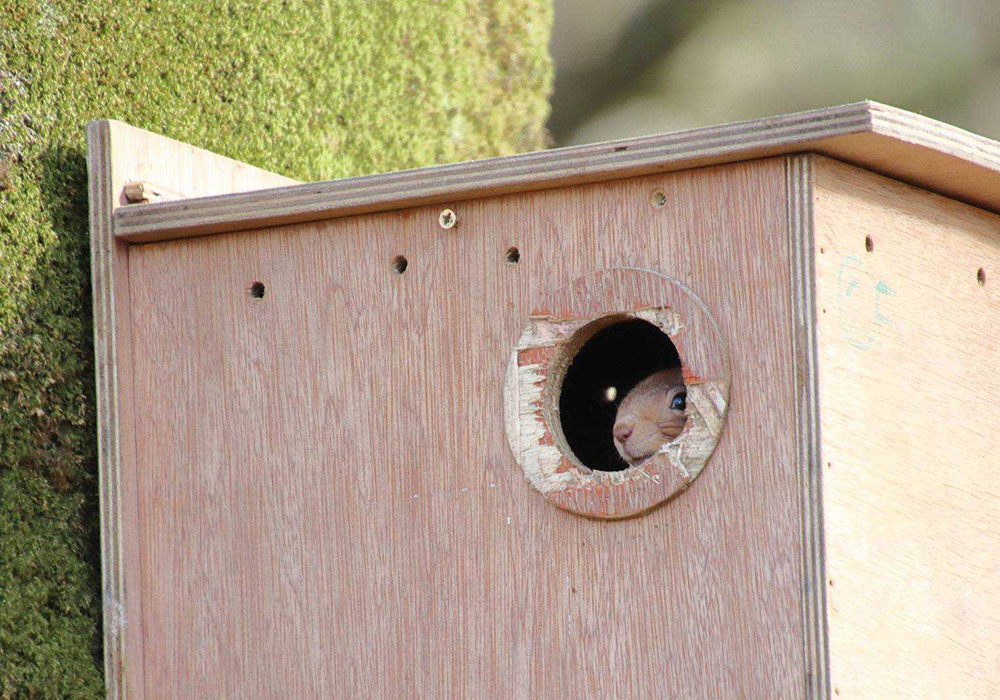
Animal welfare is also paramount during the reintroductions. The red squirrels are transported in hay-lined nest boxes that are fixed to trees at the release sites, with grass-filled exit holes allowing the squirrels to leave when ready. Food is provided for several months as the reds get used to their new habitat.
Trees for Life has released 235 red squirrels at 12 sites across the northwest Highlands since 2016. With the new populations breeding and expanding throughout available habitat, the releases so far should eventually lead to a total population of an estimated 5,300 squirrels.
The initiative is helping red squirrels return to the forests where they belong, and significantly increasing both the numbers and range of the red squirrel in the UK, for the first time in decades – leading to significant new populations of the species and offering real hope for its long-term survival.
The reintroductions are in turn helping Scots pine forests to naturally expand, because red squirrels collect and bury thousands of tree seeds each autumn. These winter stores often lie forgotten and take root.
The latest releases at Drimnin on the Morvern peninsular bolster an existing population of reintroduced reds, which has been growing since Trees for Life released 21 squirrels at nearby Lochaline two years ago.
“As long as tree cover continues to improve in the area, eventually these reintroduced reds should be able to move right around the coast all the way to neighbouring Ardnamurchan – helping secure a remnant population of red squirrels that has managed to hold on there,” said Sarah Woodfin, Trees for Life’s Red Squirrel Project Manager. “This new red squirrel population at Drimnin opens up a new chapter in this rewilding success story, which is offering hope for the long-term future of this much-loved and charismatic species.”
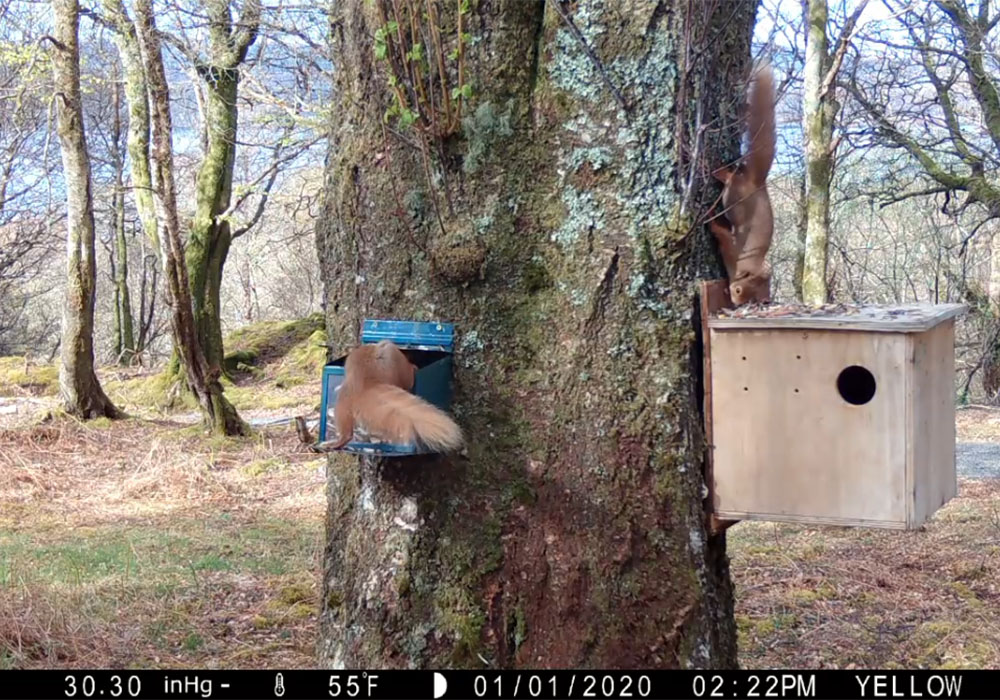
Click here for video footage of two squirrels at Drimnin (plays in new tab or downloads). The video is courtesy of Trees for Life / Drimnin Estate.
Rewilding Nation Charter
With Scotland one of the world’s most nature-depleted countries, and many species facing extinction, Trees for Life is urging people to sign the Scottish Rewilding Alliance’s Rewilding Nation Charter at www.rewild.scot/charter – calling on the Scottish Government to declare Scotland a rewilding nation, committing to nature recovery across 30% of land and sea.
 Rewilding Successes