

You are welcome to republish this story through the Creative Commons license CC BY-NC-SA 4.0. Where republishing conditions differ for images, this is noted in individual captions. (See this page for more information.)
By Judith S Weis
Judith is a professor emerita at Rutgers University.
During much of the previous century, the New York–New Jersey (NY–NJ) Harbor Estuary was severely degraded due to the effects of heavy industry, including the unregulated discharge of raw sewage and all kinds of industrial pollutants into the water, as well as the filling-in of marshes for development (e.g., three major area airports were built in this way). Major garbage dumps and heavy industry lined the shores. There was little public access too, although few people would have been interested in access to highly polluted, smelly waters.
The trajectory of change since 1970 is amazing and inspiring. The Clean Water Act required construction of sewage treatment plants, which greatly reduced the discharge of raw sewage, resulting in major improvements. Since most of the treatment plants have combined sewer systems—in which storm water is mixed with waste water—their capacity can be overwhelmed during rainfall events, and they may then discharge untreated sewage. However, the amount of combined sewer overflow is being reduced by construction of storm water infrastructure, such as bioswales, green roofs, rain gardens, and permeable pavement.
Decades ago, people were afraid to go swimming in the water, and fish diseases were common. These diseases are not being reported any more, and the water is swimmable most of the time. Contaminant levels in sediments are diminishing as cleaner materials cover the highly contaminated ones from decades ago.

There has been an enormous increase in the diversity of biota. For example, in the Hackensack Meadowlands, in the 1980s, the fish fauna was highly dominated by the mummichog, a small pollution-tolerant species of killifish. Subsequent decades, however, have seen increases in white perch, Atlantic silverside, gizzard shad, striped bass, and other fish. There has also been an increase in the diversity of benthic organisms.
Another positive change has been the great increase in the abundance and diversity of birds in the NJ Meadowlands. In 2005, NJ Audubon recorded 175 species, including 1,191 birds from 29 state-level endangered, threatened, or special-concern species. During a second year, individuals from an additional 25 species were found. The most frequently seen endangered species was the northern harrier, while the most commonly encountered threatened species were osprey, savannah sparrow, and black-crowned night-heron.
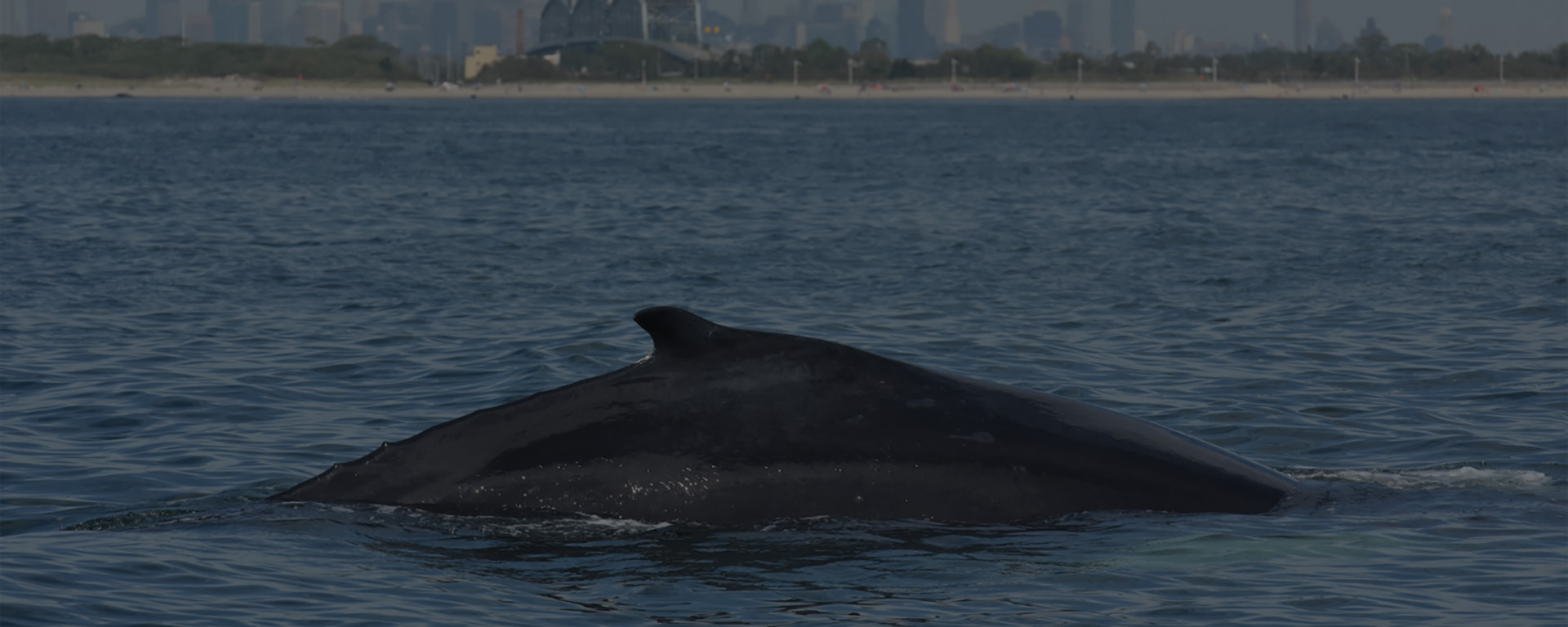
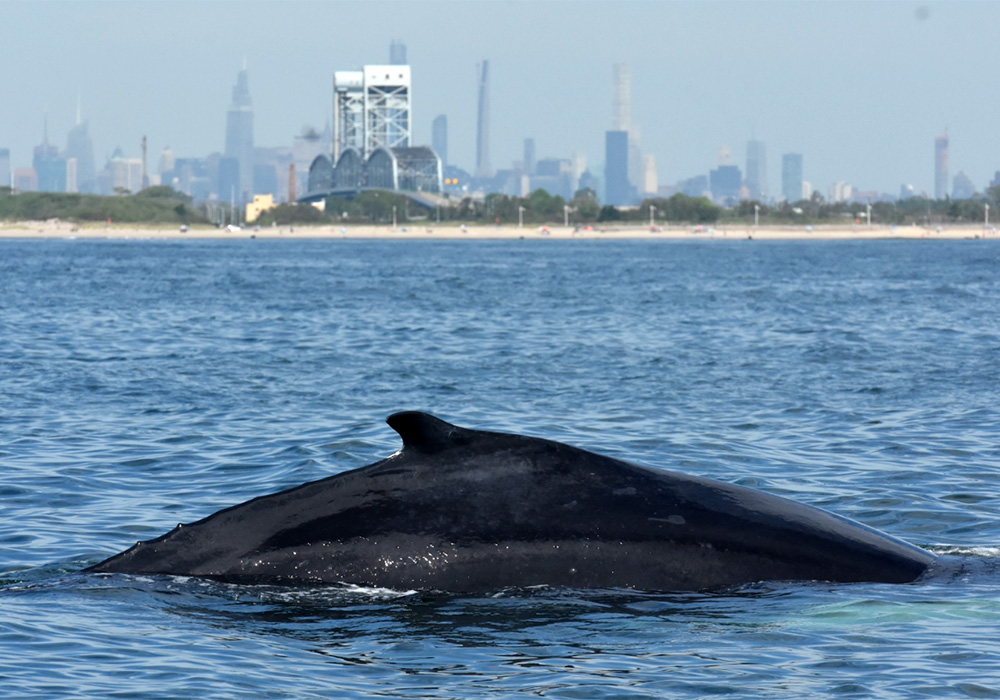
Furthermore, whales and dolphins—those charismatic creatures—have returned because their food is now here. Humpback whales are seen regularly, for instance. Improved water quality has led to the recovery of menhaden fish, on which they feed. There are now whale-watching trips from New York City.
Much of this kind of rewilding has resulted from the improvement in water quality, which has made the environment hospitable for the return of the fish and other animals. Some aspects of the rewilding, though, have been more purposeful and direct. After centuries of filling coastal marshes for development, people became aware in the late twentieth century of their importance for wildlife and broader ecosystem factors, including sequestering nutrients, carbon, and toxic metals, and protecting nearby human communities from storm surge and flooding. Restoration is a major activity in the NY–NJ Harbor Estuary. The National Park Service, NYC Parks, the Army Corps of Engineers, and the NJ Sports and Exposition Authority are among the bodies actively engaged in marsh restoration.
Oysters filter the water and purify it. They grow together to form a reef, providing substrate which supports many fishes and invertebrates. Abundant in the vicinity of New York City until around 1900, they declined massively owing to overfishing and pollution by raw sewage, leaving only a few animals around the harbor. Now, though, they are being restored. In New York City, the Billion Oyster Project involves students and volunteers placing bags of oysters around the harbor. Using oyster shells from restaurants as substrate, they have restored fourteen reef sites. In Raritan Bay, NY/NJ Baykeeper built an oyster reef in front of an eroding salt marsh in order to protect it, as well as to restore oysters.
Most garbage dumps in the NJ Meadowlands have been closed and capped to keep garbage from leaking through water flows into sewage treatment plants. The Fresh Kills Landfill in Staten Island was the largest such site in the world before closing in 2001. The land was engineered with layers of soil and other materials, and the area, now known as Freshkills Park, has become a place for wildlife, recreation, science, education, and art. Elsewhere, Shirley Chisholm State Park in Brooklyn, atop two former landfills, offers spectacular views of NY Harbor and Jamaica Bay. It has coastal meadows, wetlands, and woodlands that attract birds and other wildlife.

Hundreds of miles of waterfront are publicly accessible, with the area including parks, beaches, boardwalks, piers, esplanades, trails, lawns, and ballfields, which support biking, fishing, walking along the shoreline, swimming, paddling a boat, community events, educational programs, and the enjoyment of views.
This inspiring transformation resulted in the area being designated a “Hope Spot” by Mission Blue.
 Rewilding Successes